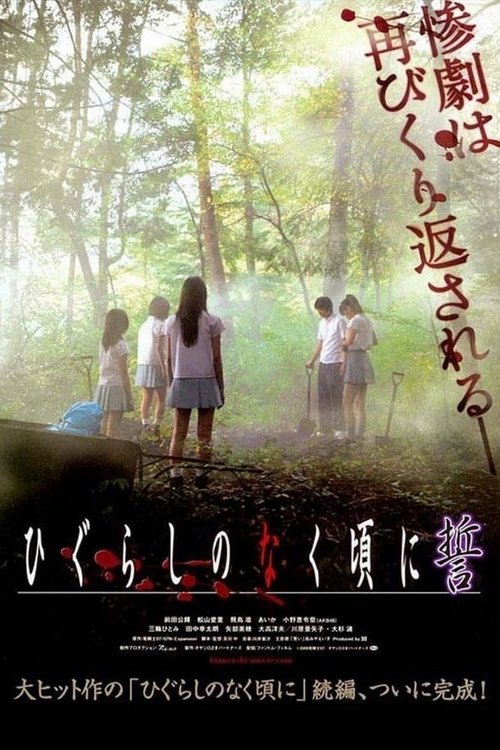
Shrill Cries: Reshuffle
2009
No user ratings available yet
Representation score: 6.5 out of 10

Representation Score
Good
2013
Director
Toshifumi Kawase
Runtime
0 minutes
Average Rating
No ratings yetNew Showbiz Analysis
Higurashi: When They Cry - Outbreak centers on psychological horror and mystery, focusing more on narrative structure than broad demographic representation. The film stands out by challenging traditional gender roles and giving female characters a significant role in driving the story in navigating the crisis. By questioning communal trust and religious authority, the film offers a layered social commentary despite being rooted in a specific cultural context. However, its reliance on a homogeneous cast limits its scope in terms of racial and ethnic diversity.
Category Breakdown
While the film explores relationships that go beyond typical heterosexual norms, explicit LGBTQ identities are not central to the outbreak storyline.
Female characters such as Rena Ryūgū and Rika Furude play key roles in driving the mystery forward, showing strong ability to act and taking active control of their situations.
The film is set in a rural Japanese village in 1983 and features an ethnically homogeneous cast, reflecting the historical context of the time.
The story questions traditional religious frameworks by contrasting them with scientific theories of conspiracy. It examines whether the village's struggles stem from divine punishment or systemic failures.
The virus is used as a metaphor for losing control over one’s body, but illness primarily serves as a horror element rather than a detailed exploration of living with disabilities.
Present on Screen
Limited or Absent
Official Synopsis
Higurashi Outbreak is set in the same Hinamizawa village of the previous stories. The village has been completely sealed off due to a mysterious virus in 1983, and Keiichi Maebara and Rena Ryūgū deal with the outbreak. But this time, they don't know if its Oyashiro-sama's curse or a conspiracy. It is also shown that Rika might be infected by the virus. Not much is known about the story yet, but in an interview the makers of the OVA revealed that the ending will differ from the original story.
2009
2000

2007

2007

2018

2012
2005

2021
No reviews yet. Be the first to share your thoughts on this movie!
Use the rating form above to leave a star rating and optional review.