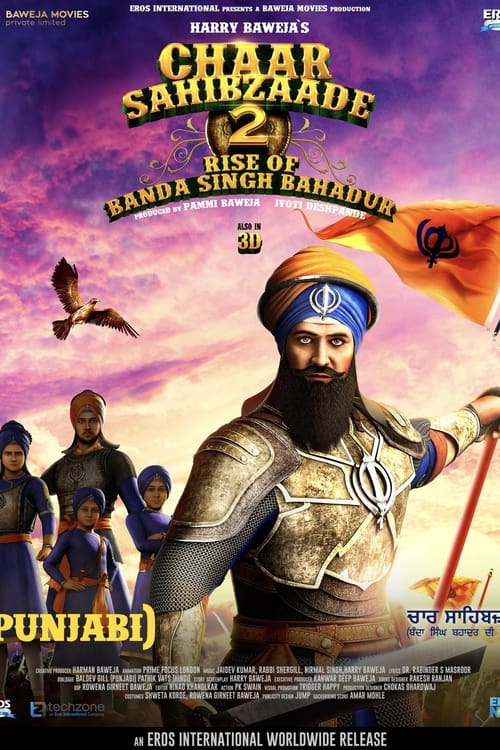
Chaar Sahibzaade: Rise of Banda Singh Bahadur
2016
No user ratings available yet
Diversity score: 5.1 out of 10
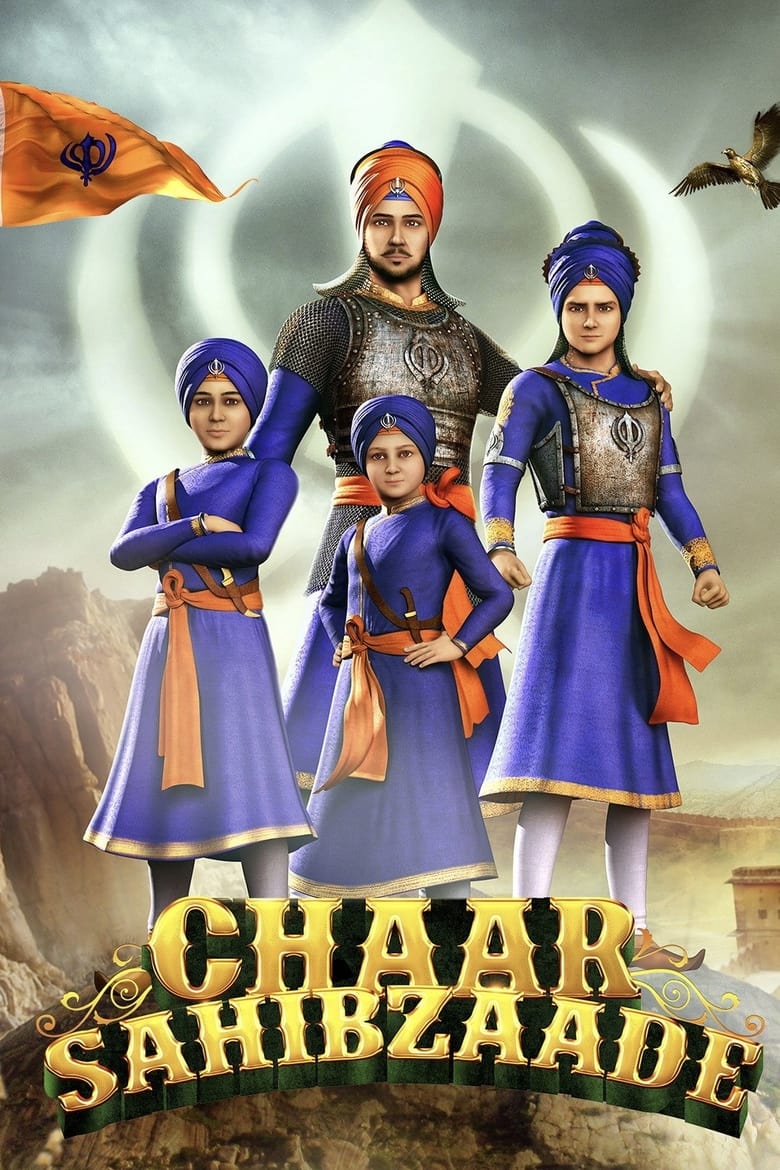
2014
UnratedDirector
Harry Baweja
Runtime
128 minutes
Average Rating
No ratings yetSynopsis
Ajit Singh, Jujhar Singh, Zorawar Singh, and Fateh Singh, the four sons of Sikh Guru Gobind Singh Ji, sacrifice their lives in an important battle against the Mughals.
Overall Score
Limited
Category Breakdown
LGBTQ+ Representation
The film adheres strictly to 18th-century Sikh historical and religious frameworks. There is no presence of non-cisnormative gender identities or same-sex intimacy.
Gender Representation
Narrative agency is concentrated entirely in male figures, emphasizing roles of fatherhood and masculine martyrdom. The film operates within a traditional patriarchal framework centered on male lineage.
Racial & Ethnic Diversity
The film provides a focused depiction of Sikh identity, resisting the whitewashing common in mainstream historical epics. However, the cast is ethnically homogeneous, focusing on specific historical groups.
Religious & Cultural Diversity
The narrative promotes a singular religious morality centered on devotion and faith. It critiques Mughal religious intolerance through the lens of traditional religious righteousness.
Disability Representation
There is no discernible focus on visible or invisible disabilities. Characters are depicted through the lens of idealized historical heroism.
Strengths
Areas for Improvement
AI Analysis
Chaar Sahibzaade serves as a specialized vessel for religious and historical continuity rather than a platform for contemporary intersectional discourse. It succeeds in providing visibility to a specific South Asian narrative, which disrupts the Western-centric dominance often found in animation. However, the film maintains traditional hierarchies. The focus on male lineage and patriarchal structures limits gender diversity, while the singular religious morality avoids modern secular or postmodern perspectives. Ultimately, the work prioritizes the preservation of Sikh history over progressive social subversion, resulting in a narrow but culturally significant scope.
No reviews yet. Be the first to share your thoughts on this movie!
Use the rating form above to leave a star rating and optional review.