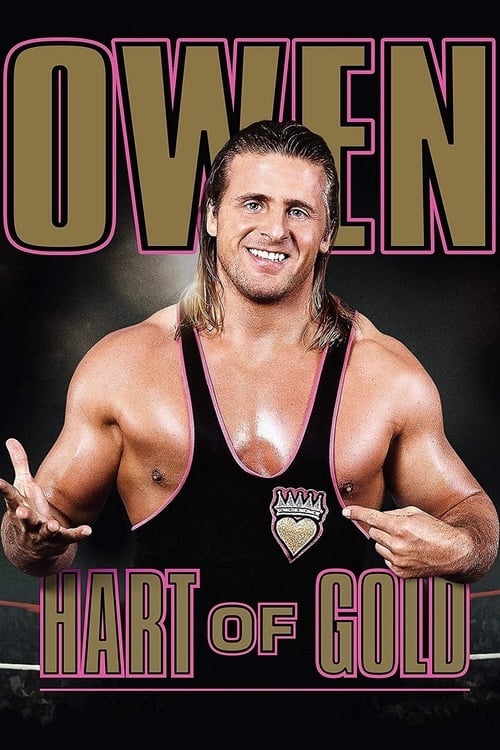
Owen Hart of Gold
2015
No user ratings available yet
Diversity score: 2.6 out of 10
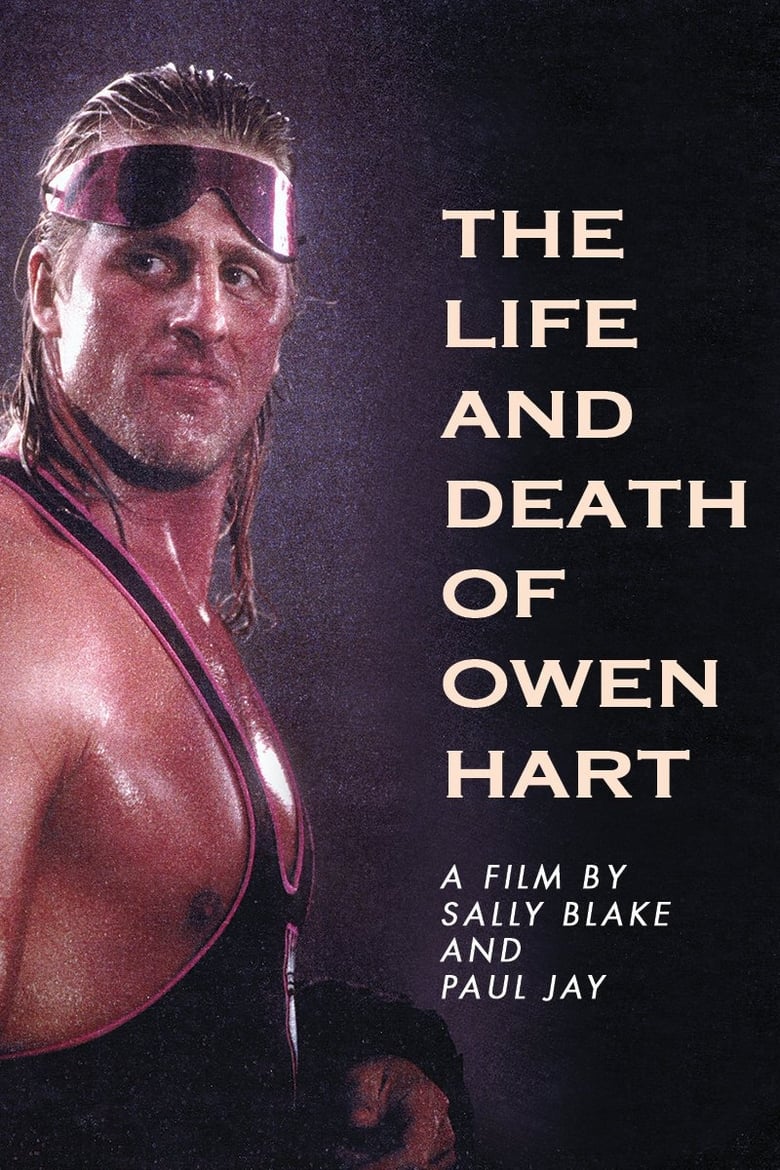
1999
TV-14Director
Paul Jay, Sally Blake
Runtime
44 minutes
Average Rating
No ratings yetSynopsis
Documentary based on Owen Hart and his life outside of the ring, containing footage of his family after his sudden and tragic death.
Overall Score
Limited
Category Breakdown
LGBTQ+ Representation
The documentary focuses exclusively on the life and family of Owen Hart. There are no visible LGBTQ+ characters or narratives addressing non-cisnormative identities.
Gender Representation
Female family members are included as they navigate grief following Hart's death. While providing a platform for female agency, the film does not actively subvert traditional gender tropes.
Racial & Ethnic Diversity
The narrative centers on a specific figure within the 1990s wrestling industry. It appears to focus on a homogeneous demographic without significant racial or ethnic diversity.
Religious & Cultural Diversity
The film follows traditional biographical conventions of memorializing a life. It lacks diverse secular or moral-relativist frameworks, adhering instead to standard documentary storytelling.
Disability Representation
The film explores the trauma of sudden death but lacks specific focus on visible or invisible disabilities. No neurodivergence or chronic illness is presented as a central theme.
Strengths
Areas for Improvement
AI Analysis
This biographical documentary functions as a retrospective of Owen Hart's life and the impact of his death on his family. Because it is a non-fiction work centered on a specific individual, the narrative is driven by historical reality rather than intentional social commentary. The film lacks intersectional depth, focusing instead on a homogeneous demographic typical of the professional wrestling era. It prioritizes familial memorialization over the exploration of diverse identities or the disruption of systemic power dynamics.
2015
2021

2010
2009
2007

2014
2014

2020

2023
2015

2004

2020
No reviews yet. Be the first to share your thoughts on this movie!
Use the rating form above to leave a star rating and optional review.