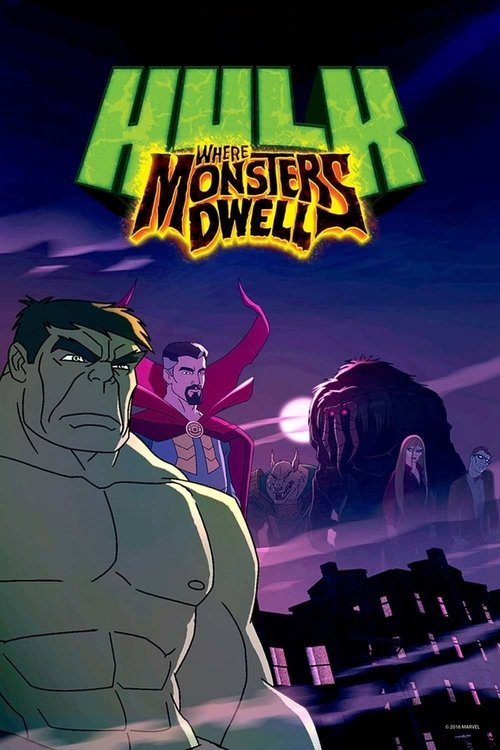
Hulk: Where Monsters Dwell
2016
No user ratings available yet
Representation score: 4.5 out of 10
Representation Score
Limited
2009
PG-13Director
Sam Liu
Runtime
45 minutes
Average Rating
No ratings yetNew Showbiz Analysis
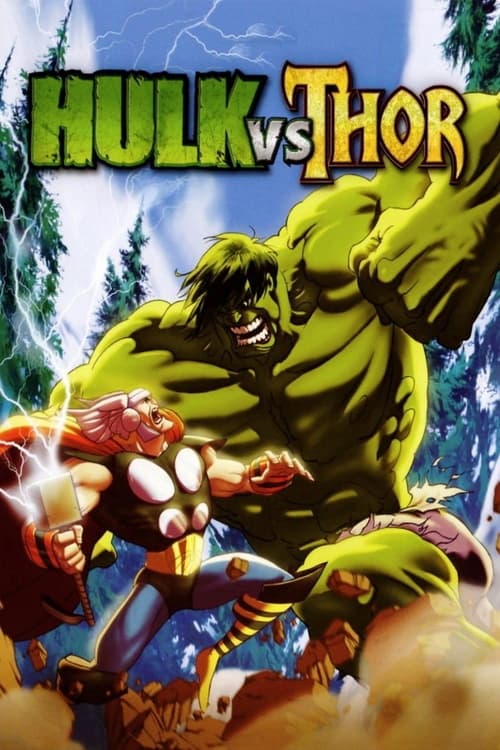
Hulk vs. Thor is a conventional genre piece that prioritizes mythic action over social or identity-based complexity. The narrative focuses on power dynamics and physical confrontation, adhering strictly to established superhero clichés and mythological frameworks. The film relies on kinetic spectacle and traditional archetypes rather than providing meaningful representation or challenging conventional social structures.
Category Breakdown
The film does not include any LGBTQ narratives or characters with non-cisgender identities.
The story is driven by masculine combat and physical dominance. Amora, the villain, has a strong presence but fits the traditional femme fatale archetype.
The cast is predominantly white and follows Norse-themed aesthetics. Fantasy creatures like trolls and giants are used as clichés rather than nuanced representations of ethnic diversity.
The story reinforces traditional mythological structures centered around divine lineages. It emphasizes the protection of Asgard through strength without engaging in complex cultural critiques.
Bruce Banner’s dual identity touches on mental health and bodily autonomy. However, the Hulk is primarily used as a plot device for spectacle rather than a nuanced exploration of disability.
Present on Screen
Limited or Absent
Official Synopsis
For ages, Odin has protected his kingdom of Asgard. But every winter, the All-Father must rest and regain his strength for one week. During this time, all of Asgard's foes (including trolls, giants, dark elves, and demons) try to claim the realm for their own, but they are always stopped by Odin's son, the mighty Thor, albeit with the loss of many brave Asgardian warriors. Loki, god of mischief, has kidnapped Dr. Bruce Banner and brought him to Asgard with the help of Amora, once Thor's lover, now the supervillain known as the Enchantress. Loki makes Banner angry and he changes into the Hulk. The Enchantress then casts a spell over the Hulk which separates Banner from his monstrous alter-ego and grants Loki control over the Hulk's body.
2016

2011
2016

2009
1998
2015

2015
2001
No reviews yet. Be the first to share your thoughts on this movie!
Use the rating form above to leave a star rating and optional review.