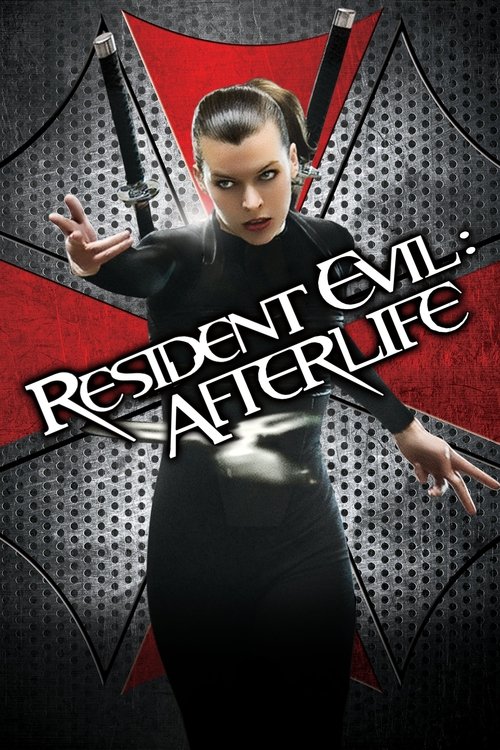
Resident Evil: Afterlife
2010
No user ratings available yet
Diversity score: 4.7 out of 10

2008
RDirector
Joseph Conti
Runtime
90 minutes
Average Rating
No ratings yetSynopsis
In 1590, Coronado dispatched a division of one thousand men to find El Dorado, the legendary city of gold. Those men were never seen again. While searching some Baja peninsula caves as part of an archeological expedition, a university professor and his students unwittingly unleash a long dormant curse. They soon find themselves in a life or death battle with an army of skeletal warriors, the undead remnants of Coronado's conquistadors.
Overall Score
Limited
Category Breakdown
LGBTQ+ Representation
The film lacks any evidence of non-cisnormative identities or same-sex intimacy. The narrative focuses entirely on survival mechanics within a horror-adventure framework.
Gender Representation
The story centers on a university professor and his students. While student genders are unspecified, the academic hierarchy suggests a conventional leadership model typical of the era.
Racial & Ethnic Diversity
The plot revolves around the legacy of Spanish conquistadors. The narrative appears focused on this specific European historical expedition without indicating diverse characters in positions of agency.
Religious & Cultural Diversity
The premise relies on traditional Western adventure tropes like the search for El Dorado. It does not appear to challenge Western institutional norms or provide systemic critique.
Disability Representation
There is no mention of characters with visible or invisible disabilities. Neurodivergence and physical impairments are not integrated into the character arcs or plot agency.
Strengths
Areas for Improvement
AI Analysis
Army of the Dead operates as a traditional genre piece that prioritizes historical mythos and survivalist conflict. It adheres to established adventure and horror conventions rather than exploring identity or social hierarchies. The film mirrors traditional Western cinematic structures, focusing on the accidental disruption of a supernatural status quo. It lacks the intentionality needed to disrupt conventional expectations regarding race, gender, or cultural power dynamics. Ultimately, the narrative architecture remains centered on a Eurocentric historical framework, offering little in the way of diverse representation or subversion of mainstream tropes.
No reviews yet. Be the first to share your thoughts on this movie!
Use the rating form above to leave a star rating and optional review.