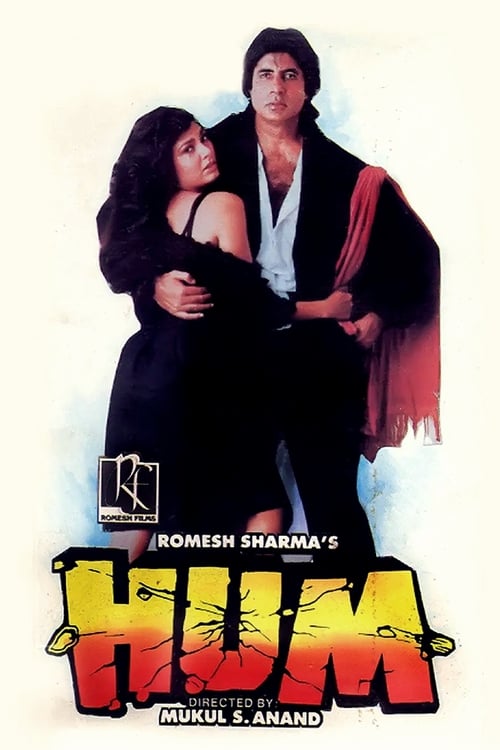
Hum
1991
No user ratings available yet
Representation score: 3.9 out of 10
Representation Score
Limited
1991
Director
Anant Balani
Runtime
161 minutes
Average Rating
No ratings yetNew Showbiz Analysis
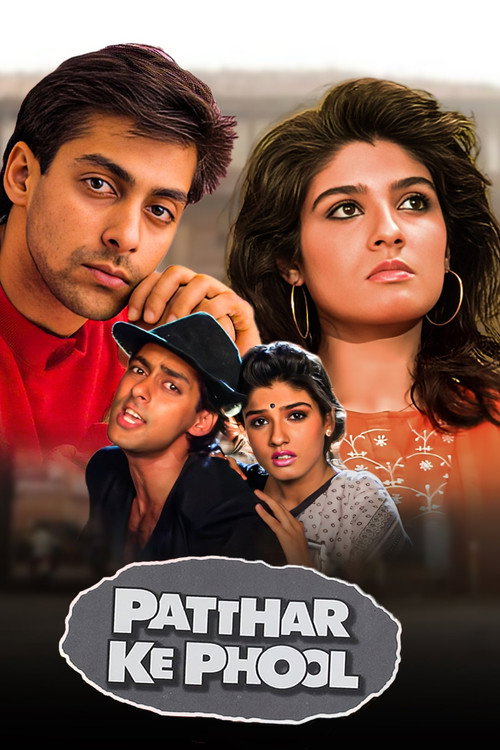
Patthar Ke Phool is a traditional 1990s action-romance that adheres strictly to established genre frameworks. The story focuses on a cycle of vengeance and a central heterosexual romance, prioritizing mainstream clichés over social subversion. The film lacks intentionality regarding the way different parts of someone's identity overlap. It functions as a standard period piece where character motivations are driven by patriarchal structures and traditional notions of justice. While it provides a culturally specific experience, it does not attempt to deconstruct social hierarchies or provide nuanced perspectives on identity, gender, or disability.
Category Breakdown
The film focuses on a typical heterosexual relationship between Suraj and Kiran. It does not include any representation of non-binary genders or critiques of the assumption that everyone is straight or cisgender.
The story emphasizes the male protagonist's journey through violence and loss. While Kiran is emotionally important, her role seems tied to patriarchal figures rather than independent action.
The cast and setting reflect a culturally uniform Indian production. It operates within established norms rather than using diverse ethnic blending to challenge social hierarchies.
The plot relies on classic clichés of vengeance and familial honor. These themes reinforce traditionalist views on retribution and patriarchal lineage rather than offering a systemic critique.
There are no visible or invisible disabilities portrayed within the main character arcs of the film.
Present on Screen
Limited or Absent
Official Synopsis
Suraj falls in love with Kiran and doesn't know that she is the daughter of an underworld kingpin. Suraj's life takes a drastic turn when the same criminal kills his father.
1991
1989
2004

2015

2019

2015
2014
1998
No reviews yet. Be the first to share your thoughts on this movie!
Use the rating form above to leave a star rating and optional review.