Rapid Rouge
2015
No user ratings available yet
Representation score: 5.6 out of 10
Representation Score
Good
1967
Director
Nagisa Ōshima
Runtime
120 minutes
Average Rating
No ratings yetNew Showbiz Analysis
Band of Ninja is a significant piece of cinematic deconstruction that uses the Japanese New Wave style to critique systemic power. Rather than focusing on demographic breadth, the film finds its strength in its narrative structure and its focus on those operating outside sanctioned social strata. The work replaces state-sanctioned morality with a complex exploration of rebellion. By centering the struggle of the peasantry against Oda Nobunaga's regime, it prioritizes the perspectives of the underrepresented over traditional historical narratives.
Category Breakdown
The film's experimental nature and the director's history of exploring transgressive sexuality suggest a potential for disrupting expectations centered around straight relationships. However, specific depictions of non-cisgender identities are not explicitly detailed.
The setting involves patriarchal feudal structures, but the director's tendency to challenge familiar patterns may offer complex roles. The film likely explores unconventional masculine warrior archetypes through its unique format.
The cast is ethnically homogeneous due to the Muromachi-era Japanese setting. Diversity is instead explored through the internal dynamics of underrepresented groups like renegade ninjas and the peasantry.
The narrative centers on peasants and farmers rebelling against a dominant regime. This anti-authoritarian framework prioritizes the struggles of the oppressed over the stability of the state.
There is insufficient evidence to assess the portrayal of physical or neurodivergent disabilities within this work.
Present on Screen
Limited or Absent
Official Synopsis
The son of an assassinated feudal lord, in the Muromachi period, attempts to avenge his father's death and meets Kagemaru, a renegade ninja helping peasants and farmers rebel against Oda Nobunaga's regime, all depicted through an experimental form of filming pages from the original manga set to sound.
2015
1972

1992
1997
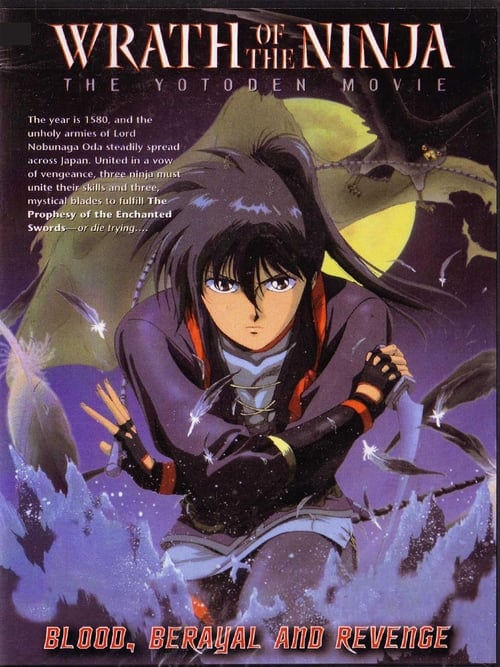
1989
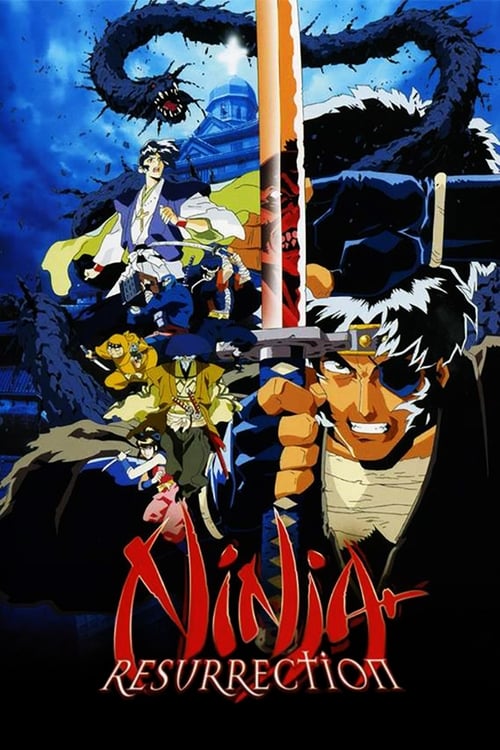
1997
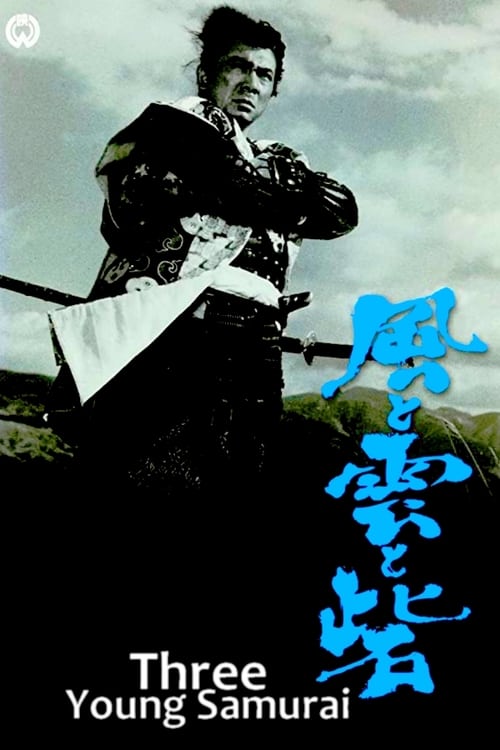
1961
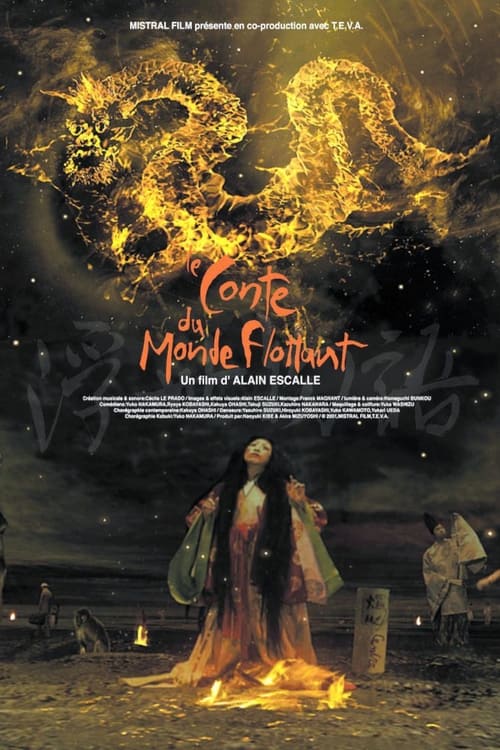
2004
No reviews yet. Be the first to share your thoughts on this movie!
Use the rating form above to leave a star rating and optional review.