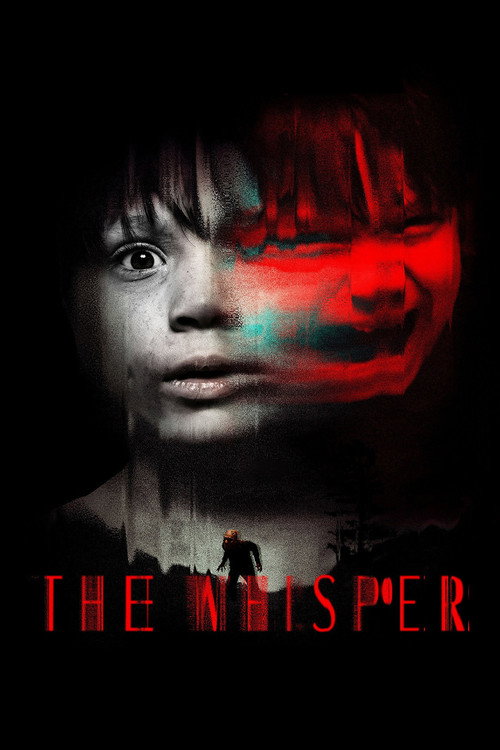
The Whisper
2026
No user ratings available yet
Diversity score: 6.6 out of 10
2019
Director
Nicholas Michael Jacobs
Runtime
65 minutes
Average Rating
No ratings yetSynopsis
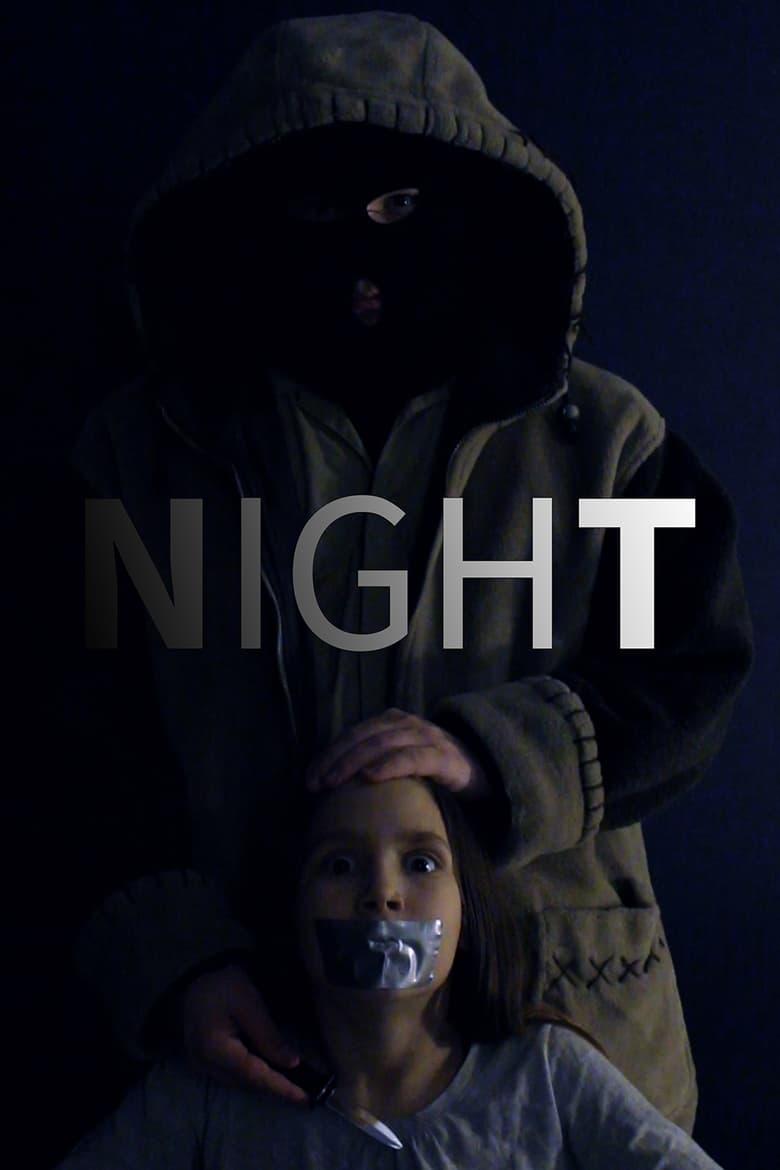
A young girl is kidnapped by a strange man, who forces her to be the star of his sick and twisted live stream.
Overall Score
Good
Category Breakdown
LGBTQ+ Representation
The film focuses on traditional social structures of the 1960s. There is little evidence of non-cisnormative identities or narratives that explicitly critique heteronormativity.
Gender Representation
The narrative explores interpersonal dynamics during a period of cultural shift. It offers nuanced character studies that suggest a departure from purely patriarchal archetypes.
Racial & Ethnic Diversity
Set in 1960s Harlem, the film centers a predominantly Black cast. This setting provides high agency to characters of color, driving the story's political themes.
Religious & Cultural Diversity
The story critiques systemic racial inequities and mid-century American power dynamics. It uses historical consciousness to challenge established social and political orders.
Disability Representation
There is no significant evidence regarding the portrayal of visible or invisible disabilities within the film.
Strengths
Areas for Improvement
AI Analysis
Night succeeds as a period piece that prioritizes racial and cultural depth. By anchoring the story in 1960s Harlem, the film moves beyond contemporary tropes to engage with the historical complexities of the civil rights movement. The narrative architecture effectively uses the tension between individual identity and systemic structures to critique historical power dynamics. This approach provides a sophisticated engagement with intersectional lived experiences. However, the film's focus remains largely within traditional social frameworks. It lacks explicit representation of LGBTQ+ identities or disability, which limits its scope of progressive storytelling.
2026
2002

2018

2023

2016

2024
2019

2018
2021

2019

2015
2015
No reviews yet. Be the first to share your thoughts on this movie!
Use the rating form above to leave a star rating and optional review.