The Family I Had
2017
No user ratings available yet
Representation score: 5.7 out of 10
Representation Score
Good
2022
Director
Patricia E. Gillespie
Runtime
95 minutes
Average Rating
No ratings yetNew Showbiz Analysis
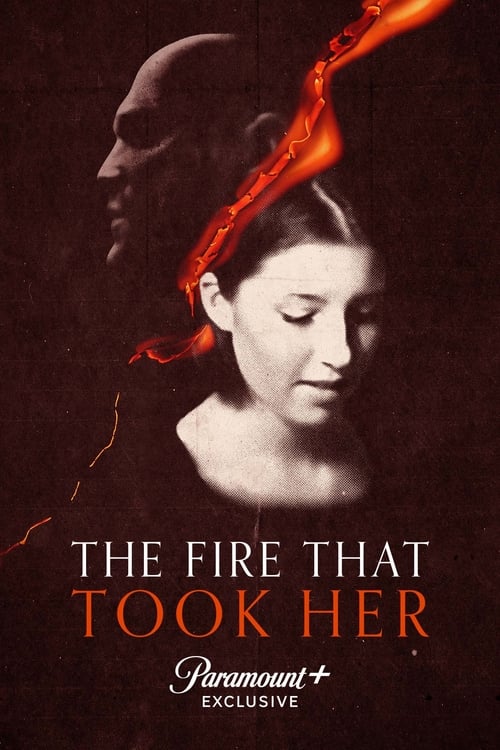
The documentary excels at deconstructing gendered power dynamics and institutional failures. By framing a true-crime case through the lens of the #MeToo movement, it addresses the sociological 'credibility gap' faced by women. While the film offers a sophisticated interrogation of systemic oppression, it lacks breadth in other areas. The focus remains largely on a singular demographic lens, providing limited insight into racial or LGBTQ+ the way different parts of someone's identity overlap. Ultimately, the film's strength lies in its intentionality. It uses a personal tragedy to critique the broader social and legal structures that govern how victims are perceived and believed.
Category Breakdown
The film focuses on a heterosexual relationship but touches on gender-based power dynamics through its connection to the #MeToo movement.
This documentary critiques patriarchal legal structures by highlighting the systemic struggles women face to be believed. It presents the victim's perspective, challenging traditional gender hierarchies.
The narrative centers on a specific individual case within a Western legal framework, with little emphasis on racial diversity or multi-layered dynamics.
The film challenges traditional Western institutions and the judicial system by focusing on systemic reform and questioning the social structures that demand proof of suffering from victims.
There is no specific information regarding the portrayal of physical disabilities or neurodivergence. The only psychological element mentioned relates to the perpetrator's state.
Present on Screen
Limited or Absent
Official Synopsis
Mother-of-two Judy Malinowski, then 31, was doused in gasoline and set on fire by her crazed boyfriend – and one of the first ever to testify from beyond the grave, at the trial for her own murder. A story that lives at the intersection of true crime and #MeToo, THE FIRE THAT TOOK HER goes deep inside a landmark case to ask a timely question: How much must women suffer in order to be believed?
2017

2020
2014
2015

2025

2016

2017
2015
No reviews yet. Be the first to share your thoughts on this movie!
Use the rating form above to leave a star rating and optional review.