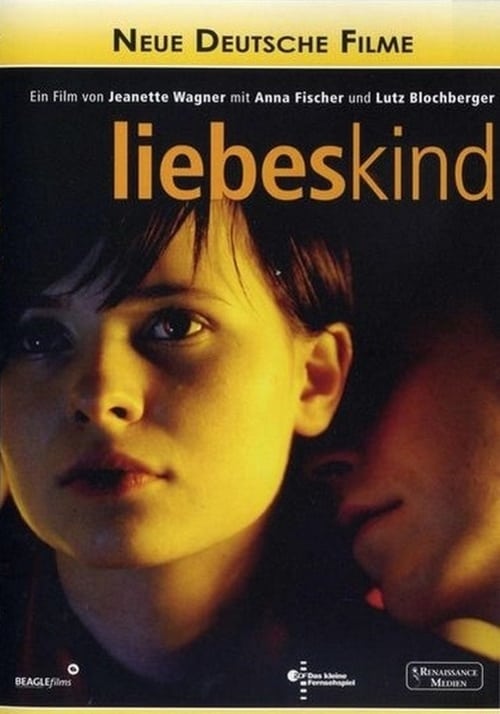
liebeskind
2005
No user ratings available yet
Representation score: 2.1 out of 10

Representation Score
Good
2016
Director
Uisenma Borchu
Runtime
88 minutes
Average Rating
No ratings yetNew Showbiz Analysis
Don't Look at Me That Way delves into non-traditional relationship dynamics. By focusing on queer intimacy and the intricacies of female desire, the film goes beyond surface-level representation to explore deep interpersonal tensions. The narrative effectively subverts traditional family structures, prioritizing character-driven studies over rigid social norms. While the film excels in gender and LGBTQ+ themes, it remains somewhat opaque regarding specific racial and ethnic demographics. Ultimately, the film succeeds by treating unconventional emotional landscapes as the primary drivers of the drama, rather than mere plot devices.
Category Breakdown
The film focuses on the romantic relationship between two women, Iva and Hedi, which challenges traditional domestic expectations by emphasizing emotional connections rather than identity conflicts.
Iva, a single mother, explores autonomy and desire outside traditional gender roles. The narrative dismantles patriarchal clichés by highlighting the fluid emotional landscapes of its female characters.
The story unfolds within a contemporary European context, prioritizing individual character development over broad ethnic types. Specific casting demographics are not confirmed.
The film questions Western ideas of the nuclear family through complex intergenerational relationships. It emphasizes personal emotional truth over conventional social or familial cohesion.
There is no visible portrayal of physical or neurodivergent disabilities in the narrative.
Present on Screen
Limited or Absent
Official Synopsis
Hedi is the new neighbor of Iva, who raises her daughter Sofia by herself. The two women start a relationship and Iva is desperately in love with Hedi. Suddenly Iva's father appears. Hedi feels strongly attracted to him. It seems that only one world exists for Hedi. Her own.
2005
2019

2006

2018

2021

2012

2014

2016
No reviews yet. Be the first to share your thoughts on this movie!
Use the rating form above to leave a star rating and optional review.