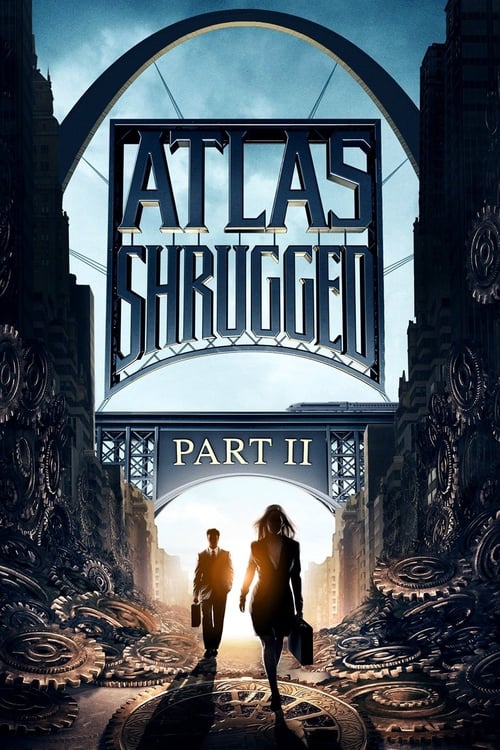
Atlas Shrugged: Part II
2012
No user ratings available yet
Representation score: 1.2 out of 10
Representation Score
Minimal
2011
PG-13Director
Paul Johansson
Runtime
97 minutes
Average Rating
No ratings yetNew Showbiz Analysis
Atlas Shrugged: Part I functions as a cinematic defense of individualistic hierarchies. The film prioritizes Objectivist philosophy and meritocracy over diverse representation. This focus on a singular moral framework results in a narrative that resists demographic-driven storytelling. While the protagonist offers a strong depiction of female intellectual ability to act, the film remains culturally and racially homogeneous. The story's rejection of collectivist social theories means it actively avoids the systemic critiques found in more diverse modern cinema.
Category Breakdown
The film does not include any LGBTQ+ characters or individuals whose gender does not match their assigned birth gender. It operates entirely within a traditional framework that assumes everyone is straight.
Dagny Taggart provides a nuanced challenge to traditional domestic roles through her leadership as a railroad executive. However, her role remains confined within the context of capitalist hierarchies.
The cast is predominantly white and reflects a homogeneous Western demographic. The story focuses on socioeconomic class rather than racial or ethnic identity.
The narrative explicitly critiques collectivism and state intervention, championing a 'morality of achievement' and Western capitalist institutions over progressive cultural values.
There are no visible or invisible disabilities portrayed in the main character arcs. Disability is not used as a narrative device.
Present on Screen
Limited or Absent
Official Synopsis
A powerful railroad executive, Dagny Taggart, struggles to keep her business alive while society is crumbling around her. Based on the 1957 novel by Ayn Rand.
2012
1949
2014
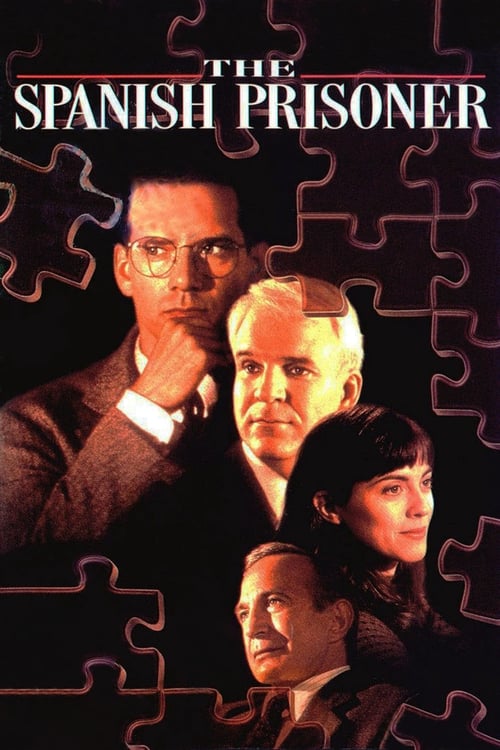
1997

2011

1978

2011

1983
No reviews yet. Be the first to share your thoughts on this movie!
Use the rating form above to leave a star rating and optional review.