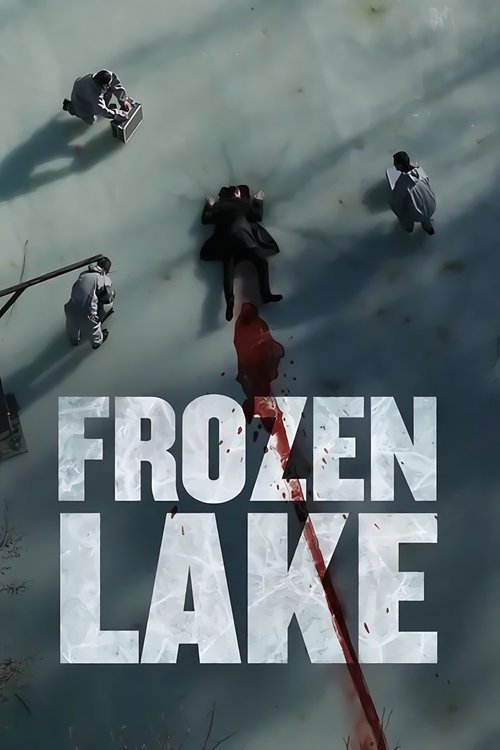
Frozen Lake
2015
No user ratings available yet
Representation score: 1.4 out of 10

Representation Score
Limited
2018
Director
Nikolaus Leytner
Runtime
90 minutes
Average Rating
No ratings yetNew Showbiz Analysis
Under Suspicion is a period crime drama that prioritizes historical realism over modern demographic inclusivity. While it lacks representation for LGBTQ+ individuals, diverse racial groups, or characters with disabilities, it finds its depth through a sophisticated cultural critique of post-war West German institutions. The film’s strength lies in its deconstruction of the establishment. It examines how systemic power structures and the socioeconomic elite absorbed former Nazi collaborators, challenging the idea of institutional infallibility. However, the film remains tethered to the social hierarchies of 1951. The investigative and judicial processes are presented as male-dominated spaces, offering limited ability to act to female characters despite the central plot involving violence against women.
Category Breakdown
The film adheres to the assumption that everyone is straight or cisgender, reflecting the social constraints of its 1951 setting. There is no presence of non-straight or non-cisgender identities or narratives engaging with queer theory.
The narrative explores the consequences of past violence against women, yet the story centers on male protagonists. The depiction of gender roles aligns with traditional mid-century hierarchies.
The cast is predominantly white, reflecting the demographic realities of 1951 West Germany. The film opts for historical authenticity rather than utilizing actors from different racial backgrounds.
The film excels in critiquing Western institutions and the struggle to overcome the past. It portrays the judicial system as a site of complicity and moral relativism.
There are no prominent depictions of physical or neurodivergent disabilities. No such traits serve as central character arcs within the narrative.
Present on Screen
Limited or Absent
Official Synopsis
A male body is found in the Steyr breakthrough reservoir. The police officers of the LKA Linz do not think about suicide. Shortly afterwards it turns out that the dead man is the man who killed Sepp Ahorner's wife and daughter in an accident and who Sepp had been looking for for years.
2015

2014
2016

2019

2019

2024
2019
2017
No reviews yet. Be the first to share your thoughts on this movie!
Use the rating form above to leave a star rating and optional review.