
Night of San Juan: Santo in Black Gold
1977
No user ratings available yet
Diversity score: 3.8 out of 10

1972
Director
Federico Curiel
Runtime
85 minutes
Average Rating
No ratings yetSynopsis
The Champions go against an army of rats that have turned into humans.
Overall Score
Limited
Category Breakdown
LGBTQ+ Representation
The film lacks any evidence of LGBTQ+ characters or narratives. It adheres to the traditional genre conventions of 1970s action cinema, which typically avoided explicit representation of non-cisnormative identities.
Gender Representation
The narrative centers on masculine archetypes of strength and combat. There is no indication of female characters possessing high agency or subverting established gender hierarchies.
Racial & Ethnic Diversity
The cast appears to be a homogeneous group of protagonists. There is no evidence of race-bent casting or the use of non-human species as metaphors for ethnic diversity.
Religious & Cultural Diversity
The story follows a classic 'hero vs. monster' framework that reinforces traditional morality. It does not engage with anti-Western, anti-capitalist, or secularist themes.
Disability Representation
There is no information regarding characters with physical or neurodivergent disabilities. The focus on 'supermen' suggests a preoccupation with physical perfection and peak capability.
Strengths
Areas for Improvement
AI Analysis
The Champions Five Supermen functions as a standard genre piece from the early 1970s, prioritizing kinetic action and spectacle over social complexity. The narrative architecture relies on traditionalist frameworks that favor established social hierarchies and heroic tropes. Representation is minimal across all categories. The film lacks intersectional depth, focusing instead on a homogeneous group of protagonists fighting a biological threat. This approach reinforces conventional masculine leadership and traditionalist values common to the era's action cinema.
1977
1962
1963
1971

1968
1962
1966
1971
1971
1965
1972
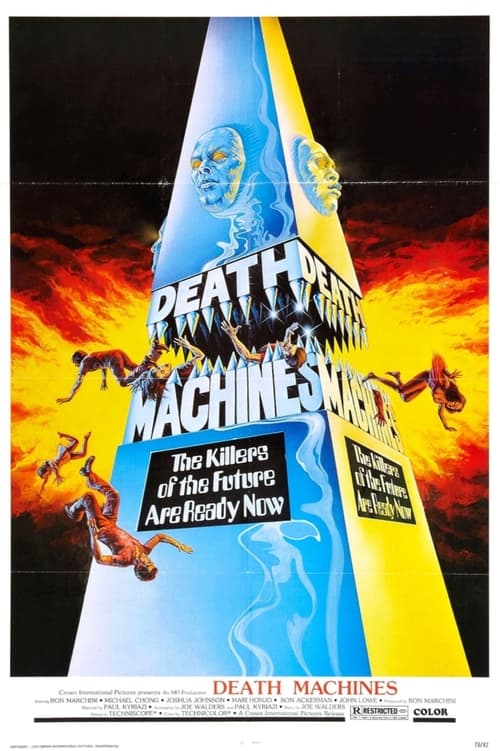
1976
No reviews yet. Be the first to share your thoughts on this movie!
Use the rating form above to leave a star rating and optional review.