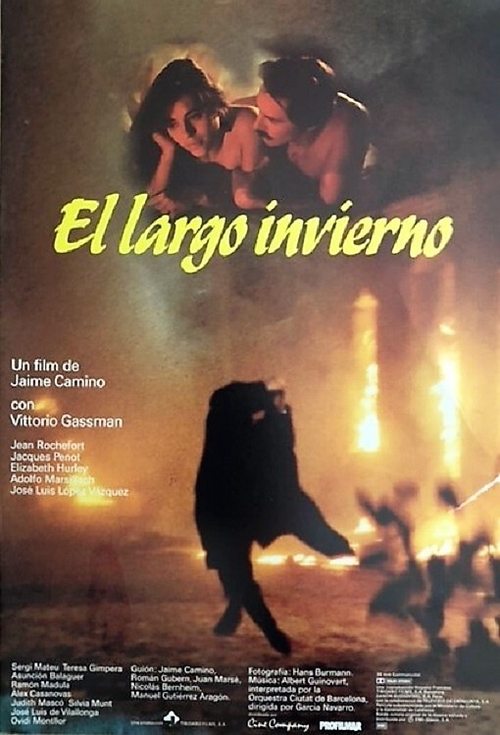
The Long Winter
1992
No user ratings available yet
Diversity score: 5.7 out of 10
1989
Director
Carlos Saura
Runtime
93 minutes
Average Rating
No ratings yetSynopsis
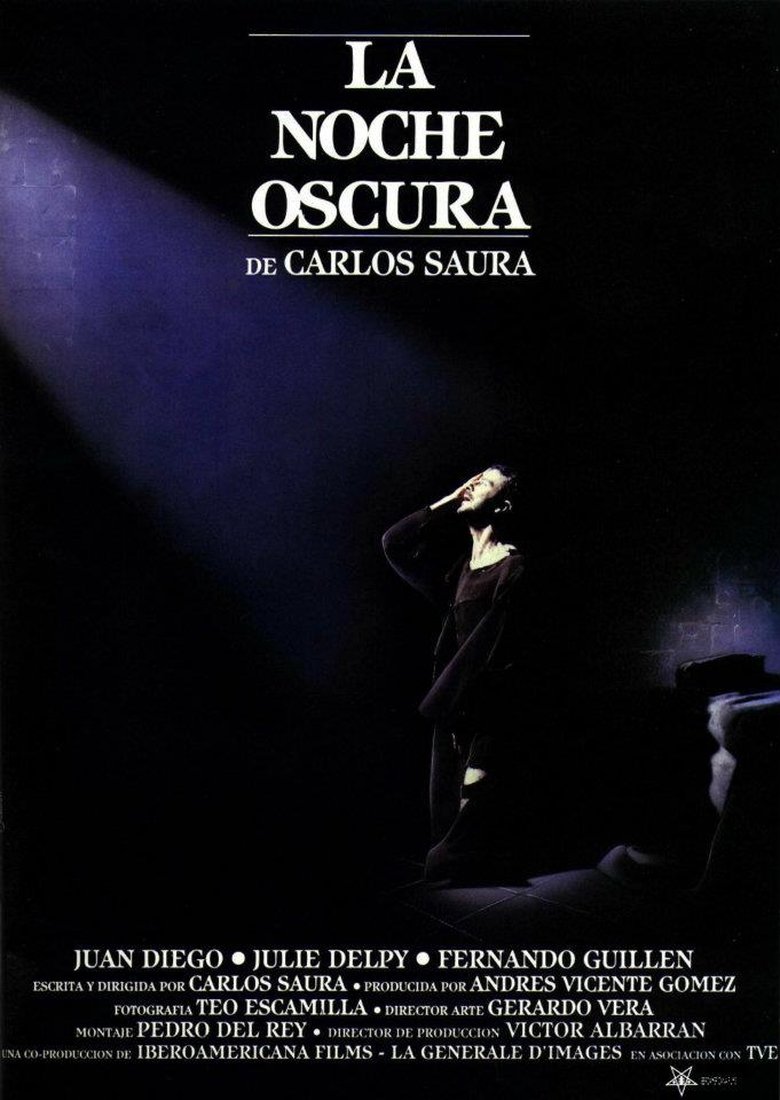
Pantheon filmmaker Carlos Saura bounced back from a handful of failures with 1989's La Noche Oscura (The Dark Night). Juan Diego stars as San Juan de la Cruz (St. John of the Cross), the legendary 16th-century poet-prophet. Galvanized into action by the spirit of Santa Teresa de Jesus, San Juan fought to install reforms in the Carmelite Order. Like many another visionary, he was regarded as a heretic, and promptly subjected to the most appalling of tortures. Writer-director Saura manages to draw several parallels between the religious persecution of the 1700s and the political despotism of Fascist Spain.
Overall Score
Fair
Category Breakdown
LGBTQ+ Representation
The film explores intense spiritual ecstasy and non-traditional intimacy. However, it lacks explicit depictions of queer identity or non-cisnormative romance.
Gender Representation
Santa Teresa de Jesus serves as a powerful catalyst rather than a passive figure. Her spiritual agency drives the protagonist's actions and plot trajectory.
Racial & Ethnic Diversity
The casting reflects the historical demographics of 16th-century Spain. The film maintains a traditional Eurocentric visual palette consistent with its period setting.
Religious & Cultural Diversity
Saura uses religious persecution to critique Fascist Spain's political despotism. The narrative prioritizes the heretic's perspective against corrupt, dogmatic hierarchies.
Disability Representation
Torture and physical suffering are depicted to illustrate martyrdom. These elements serve as narrative devices to highlight systemic cruelty rather than exploring disability agency.
Strengths
Areas for Improvement
AI Analysis
Carlos Saura’s La noche oscura is a sophisticated allegory that uses historical settings to critique contemporary power. While the film adheres to the Eurocentric demographics of the 16th century, its narrative structure is deeply subversive. It challenges the sanctity of established institutions by framing them as engines of oppression. The film succeeds in elevating female spiritual intellect through the character of Santa Teresa. However, it lacks explicit representation of queer identities, focusing instead on spiritual transcendence. The depiction of physical suffering remains tied to the theme of martyrdom rather than nuanced disability studies.
No reviews yet. Be the first to share your thoughts on this movie!
Use the rating form above to leave a star rating and optional review.