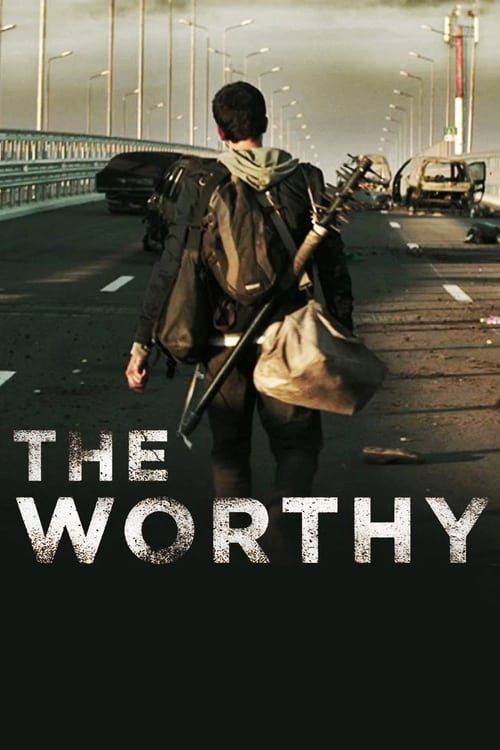
The Worthy
2016
No user ratings available yet
Diversity score: 3.8 out of 10
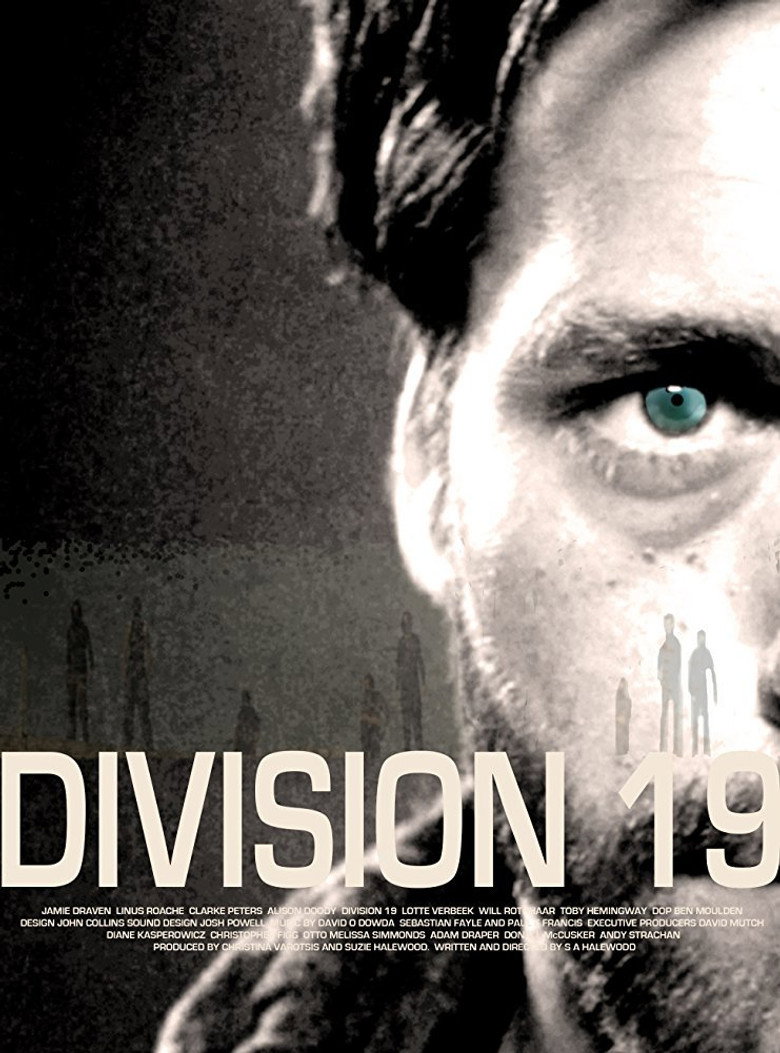
2017
NRDirector
Suzie Halewood
Runtime
93 minutes
Average Rating
No ratings yetSynopsis
In 2039, jails have been turned into online portals where the public gets to choose what prisoners eat, wear, watch and who they fight. So successful is Panopticon TV, it is about to be rolled out to a whole town, providing subscribers even more choice.
Overall Score
Fair
Category Breakdown
LGBTQ+ Representation
The film lacks explicit evidence of queer character arcs or non-heteronormative relationships. While the voyeuristic setting might touch on identity, there is no visible representation of LGBTQ+ identities.
Gender Representation
The narrative subverts traditional hierarchies by centering a female-led perspective. The protagonist displays significant agency, disrupting conventional tropes of male-dominated action cinema and submissive feminine archetypes.
Racial & Ethnic Diversity
A diverse ensemble, including Clarke Peters and L. Scott Caldwell, provides varied racial perspectives. However, the film lacks specific evidence regarding how race intersects with its systemic critique.
Religious & Cultural Diversity
The film offers a profound critique of Western institutions and late-stage capitalism. It depicts a voyeuristic system where media consumption commodifies human incarceration and erodes democratic privacy.
Disability Representation
There is no clear evidence of neurodivergent characters or individuals with physical disabilities. The plot focuses on technological agency rather than utilizing disability as a central thematic element.
Strengths
Areas for Improvement
AI Analysis
Division 19 is a sophisticated critique of systemic power, specifically targeting the intersection of media, capitalism, and state surveillance. It succeeds by deconstructing Western institutions and framing them as predatory entities. The film's primary progressive value stems from its cultural and gender representation. It replaces traditional social orders with a landscape where the struggle for anonymity serves as a metaphor for reclaiming individual agency. However, the work lacks depth in identity-based representation. There is a notable absence of visible LGBTQ+ or disability-focused narratives, leaving those categories underrepresented within the dystopian framework.
No reviews yet. Be the first to share your thoughts on this movie!
Use the rating form above to leave a star rating and optional review.