
Chicuarotes
2019
No user ratings available yet
Representation score: 4.2 out of 10
Representation Score
Fair
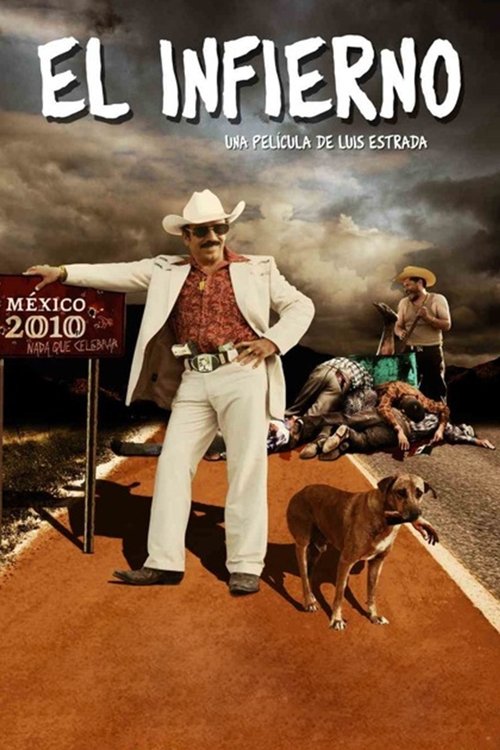
2010
NC-17Director
Luis Estrada
Runtime
148 minutes
Average Rating
No ratings yetNew Showbiz Analysis
El Infierno is a biting postmodern satire that deconstructs the systemic failures of the Mexican state. It moves beyond simple crime clichés to examine the intersection of political corruption and socioeconomic desperation. The film excels in cultural and racial authenticity, providing a localized perspective that avoids a Western gaze. It uses the setting to critique the predatory nature of authority and the breakdown of traditional institutions. However, the film is limited by its narrow focus on machismo and hyper-masculinity. It lacks representation for LGBTQ+ identities and provides little ability to act to women or characters with disabilities.
Category Breakdown
The film does not include any LGBTQ+ characters or storylines. It focuses solely on hyper-masculine environments and the patriarchal structures of rural Mexico.
Men play the central roles in a traditional patriarchal framework. Women are often shown as victims or collateral damage of systemic violence.
The film offers an authentic exploration of Mexican identity. It centers on the lived realities of the working class, avoiding a Western perspective.
The story critiques capitalism, religion, and the state as corrupt entities involved in cycles of violence. It highlights the complicity of these institutions.
There is no significant focus on disability. Characters with disabilities appear only as incidental victims rather than central figures in the plot.
Present on Screen
Limited or Absent
Official Synopsis
After being deported back to Mexico, a man has no choice but to join the vicious drug cartel that has corrupted his hometown in order to survive.
2019

2013

2008

2018

2011
2019

2009
2000
No reviews yet. Be the first to share your thoughts on this movie!
Use the rating form above to leave a star rating and optional review.