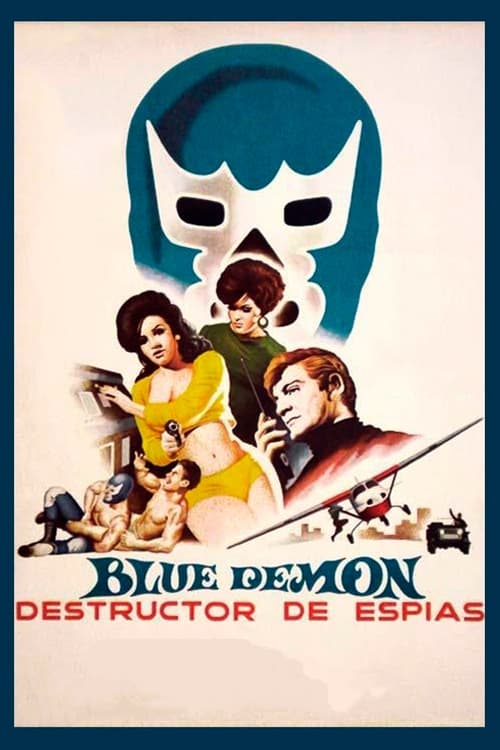
Blue Demon: Destructor of Spies
1968
No user ratings available yet
Representation score: 1.5 out of 10
Representation Score
Minimal
1968
Director
Alfredo B. Crevenna
Runtime
85 minutes
Average Rating
No ratings yetNew Showbiz Analysis
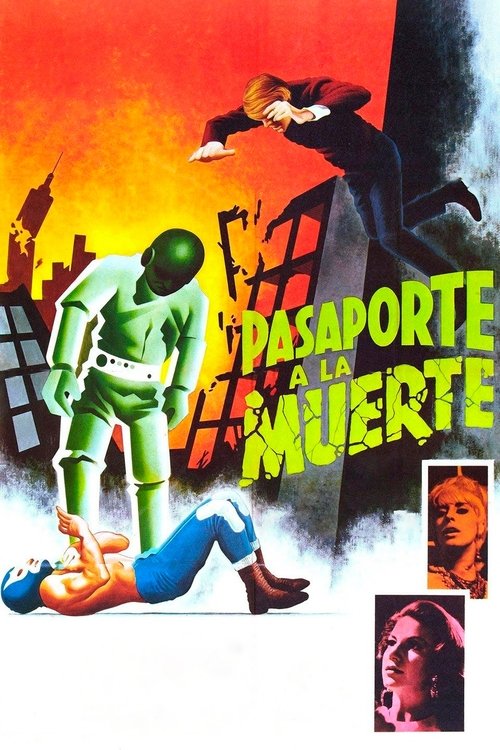
Passport to Death is a conventional mid-century genre piece that adheres to established espionage and science fiction clichés. The narrative focuses on a central conflict between a hero and a mad scientist, reinforcing traditional power dynamics without challenging them. The film lacks meaningful representation across most social categories. It relies on male-driven roles and traditional gender norms typical of 1960s action-thrillers, offering little room for diverse perspectives or critical examination of societal structures. While its Mexican origin provides a departure from Anglo-centric cinema, the film remains a traditionalist work. It prioritizes genre-driven plot mechanics over the deconstruction of social or cultural hierarchies.
Category Breakdown
The film does not include any non-binary gender identities or same-sex relationships. The story revolves around traditional male roles and conflicts.
The story is predominantly male-focused, featuring characters such as Lafargue, Marcus, and Bellini. There is no indication of strong female roles or subversion of traditional gender roles.
As a Mexican production, the film deviates from Hollywood casting norms. However, it is unclear if the film incorporates diverse casting or sticks to typical 1960s Latin American demographics.
The plot follows a Western thriller format focused on protecting global order. It lacks themes that question institutions and instead centers on stopping a singular evil force.
The protagonist's memory loss serves as a standard plot device to advance the story. It does not explore neurodivergence or physical disabilities in depth.
Present on Screen
Limited or Absent
Official Synopsis
The Secret Agent Lafargue locates the evil Professor Marcus headquarters, who with the help of Dr. Bellini and an android of his invention, plan to conquer the world. Lafargue is discovered and severely injured, so he is unable to remember where it is the basis of Marcus or what their plan. To resolve this situation the authorities call the Agent Zero team.
1968

1966
1966
1998
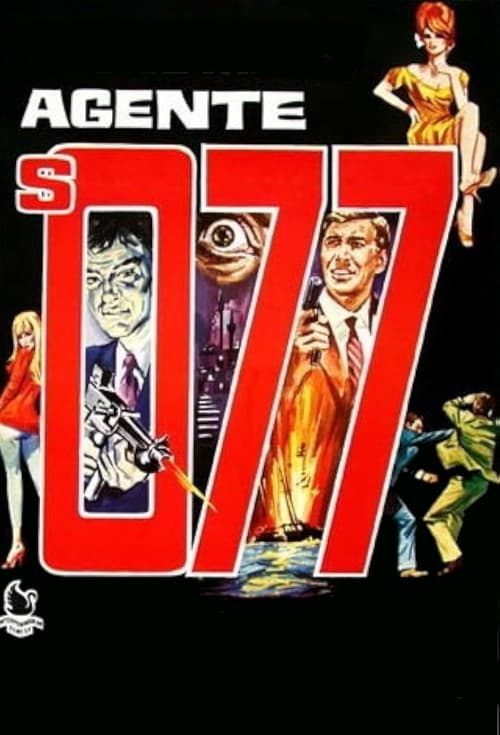
1965
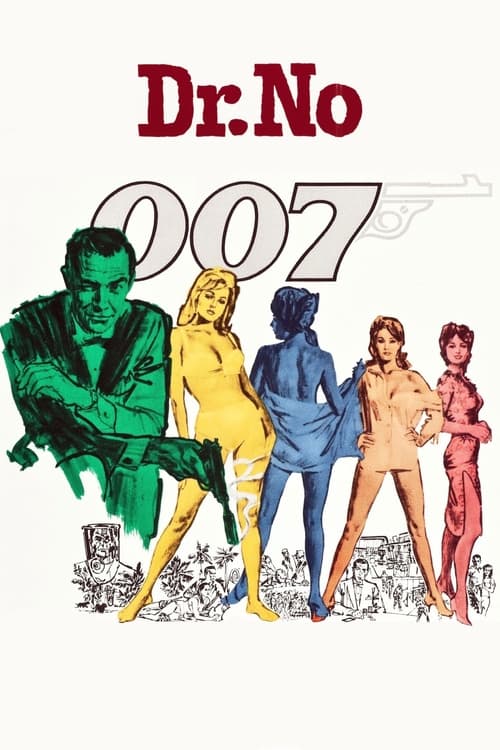
1962

1990
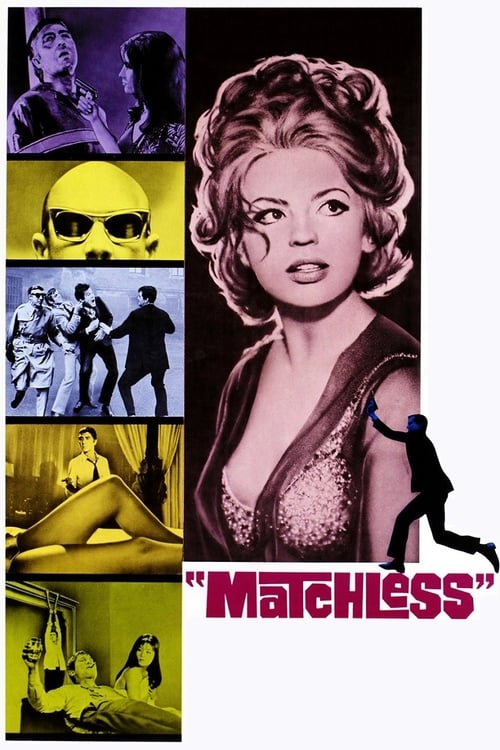
1967
No reviews yet. Be the first to share your thoughts on this movie!
Use the rating form above to leave a star rating and optional review.