Camilla Läckberg: The Preacher
2007
No user ratings available yet
Representation score: 3.7 out of 10
Representation Score
Limited
2008
Director
Anders Engström
Runtime
90 minutes
Average Rating
No ratings yetNew Showbiz Analysis
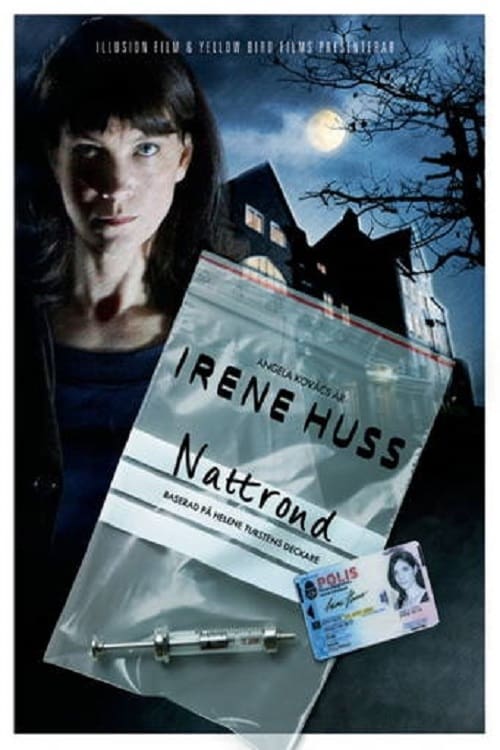
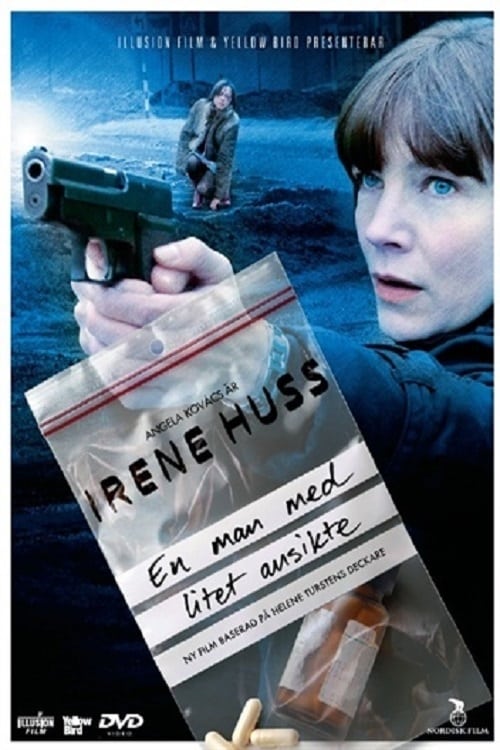
Irene Huss 3: The Night Round operates primarily as a supernatural-tinged crime procedural. It relies on a historical anomaly to drive its mystery, prioritizing genre clichés over deep social deconstruction. The film provides a baseline for gender ability to act through its female lead, but lacks multi-layered complexity. The narrative remains focused on the procedural elements of a localized Swedish setting. Ultimately, the work follows standard Nordic Noir conventions. It emphasizes atmospheric tension and mystery rather than actively challenging systemic or social hierarchies.
Category Breakdown
The film does not include explicit LGBTQ identities or dynamics that challenge the assumption that everyone is straight. Although the genre often uses subtext to explore underrepresented perspectives, there is no specific evidence of same-sex intimacy in the film.
DI Irene Huss serves as a central protagonist with professional authority. Her leadership in a high-stakes investigative framework challenges traditional gender roles.
The narrative appears centered on a localized, homogeneous Swedish medical environment. There is no evidence of significant racial blending or diverse casting within the setting.
The story engages with institutional memory and historical tragedy. It focuses on maintaining order within a Western social structure rather than critiquing such institutions.
The setting includes an intensive care unit and medical technology, but there is no specific evidence regarding the portrayal of characters with disabilities or neurodivergence.
Present on Screen
Limited or Absent
Official Synopsis
A blackout leaves the distinguished halls of the Löwanderska Hospital in complete darkness. Doctor Sverker Löwander hears the alarm when one of the ventilators go off, and rushes to the intensive care unit only to find the nurse in charge dead in the stairwell and the other disappeared without a trace. When DI Irene Huss arrives, the only witness claims to have seen Nurse Tekla doing her rounds. There's only one slight problem: Nurse Tekla committed suicide at the hospital sixty years ago.
2007
2010
2006

2018
1998
2011

2002
2006
No reviews yet. Be the first to share your thoughts on this movie!
Use the rating form above to leave a star rating and optional review.