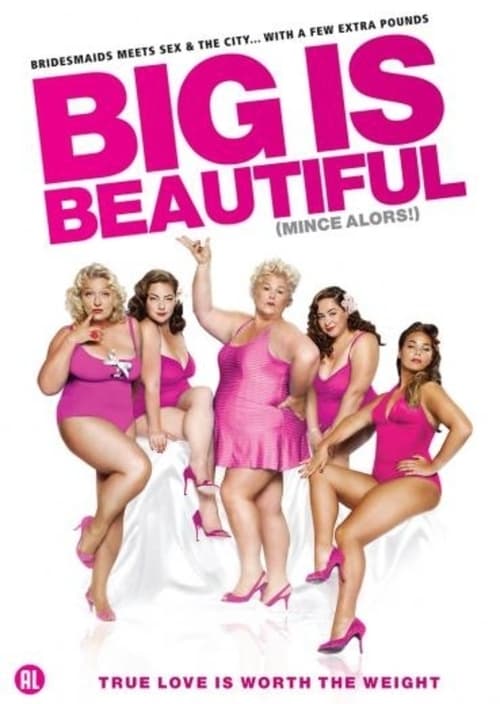
Big is Beautiful
2012
No user ratings available yet
Representation score: 7.1 out of 10

Representation Score
Excellent
2021
Director
Charlotte de Turckheim
Runtime
105 minutes
Average Rating
No ratings yetNew Showbiz Analysis
Charlotte de Turckheim creates a comedy that challenges traditional social and aesthetic hierarchies. By focusing on body positivity and queer identity, the film integrates these themes into the core tension of the story, particularly concerning marriage and wellness. The film stands out by refusing to treat non-traditional lifestyles as mere background elements. Instead, it places unconventional identities at the heart of the narrative conflict. However, the film remains confined to a conventional European framework, limiting broader cultural representation. While it excels at addressing body norms, it lacks significant exploration of racial diversity or neurodivergence.
Category Breakdown
The film centers on a same-sex relationship, challenging traditional expectations when a woman discovers her husband is involved with another man. This portrayal moves beyond including someone from a minority group without giving them real depth to highlight queer identity.
Female protagonists Isabelle and Nina are the main drivers of the detox business. The story emphasizes their control over their bodies and their economic independence.
The narrative operates within a typical European setting in Provence. There is little indication of characters representing diverse racial or ethnic backgrounds.
The film questions Western beauty standards through settings focused on alternative spiritual practices like yoga and tantra. It challenges social norms around marriage and physical appearance.
The film addresses physical diversity and social perceptions of weight by focusing on body size and transformation experiences.
Present on Screen
Limited or Absent
Official Synopsis
Isabelle and her niece Nina open a "fasting and detox" cure in the heart of Provence, with the help of Baptiste, a yogi and handyman, Jessica, a tantric masseuse, and Maxime, a seductive equine therapist. Among the first curists, four overweight teenagers sent by the town hall; Marion and Lio, her skinny sister who imposes the cure on her "for her own good"; and their friend Émilie who, having shed her extra kilos, discovers as soon as she arrives that her beloved husband is swooning in the arms of a man... who is clearly overweight!
2012
2018
2020

2015

2019

1995
2017

2015
No reviews yet. Be the first to share your thoughts on this movie!
Use the rating form above to leave a star rating and optional review.