Fractalus
2005
No user ratings available yet
Representation score: 2.9 out of 10
Representation Score
Fair
2020
Director
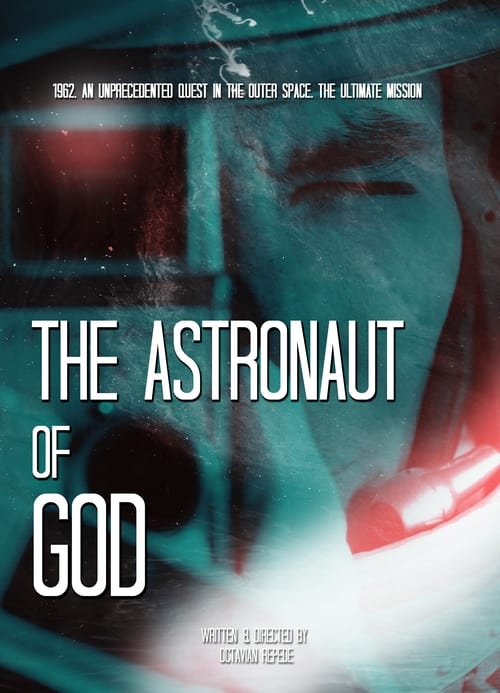
Octavian Repede
Runtime
70 minutes
Average Rating
No ratings yetNew Showbiz Analysis
The Astronaut of God is a thoughtful science fiction drama that emphasizes philosophical questions rather than typical action clichés. By focusing on existentialism and the supernatural, the film shifts away from straightforward storytelling to explore inner human experiences. However, the film lacks clear evidence of social change. While its themes hint at a progressive approach to personal morality, it doesn’t explicitly show diverse representation or challenge demographic hierarchies. Overall, the film seems more interested in the intellectual aspects of space travel than in showcasing social subversion, resulting in a moderate diversity profile.
Category Breakdown
The film doesn't provide any explicit information about queer identities or romantic relationships. Although the existential themes could relate to non-traditional identities, there are no on-screen examples of such portrayals.
Set in 1962, the film reflects a time with strict gender roles. It’s unclear if the mission includes strong female characters or challenges traditional male leadership.
The 1960s US-led mission setting implies a historically homogeneous cast. There is no indication of diverse casting or a non-white majority cast.
The film explores themes of religion and the supernatural, offering potential for rich cultural exploration. It likely delves into the tension between institutional dogma and personal beliefs.
The film does not mention any characters dealing with physical, sensory, or neurodivergent conditions.
Present on Screen
Limited or Absent
Official Synopsis
1962. The US Genesis 1491 space mission launches with a unique objective, based upon mankind's ongoing quest to seek answers to existential questions. It is the dawn of the Golden Age of Space exploration, and the possibilities seem limitless...
2005

1989
2018

2019
2018

2018
2020

2020
No reviews yet. Be the first to share your thoughts on this movie!
Use the rating form above to leave a star rating and optional review.