Janine
1990
No user ratings available yet
Representation score: 6.7 out of 10
Representation Score
Good
2001
Director
Sue Maluwa-Bruce
Runtime
30 minutes
Average Rating
No ratings yetNew Showbiz Analysis
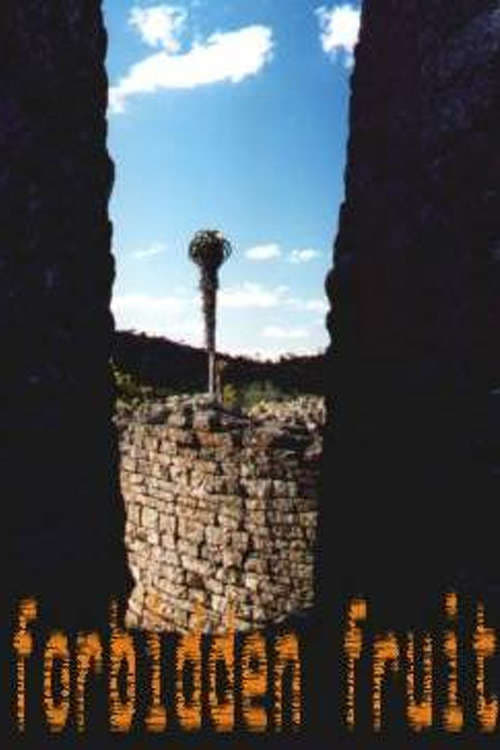
Forbidden Fruit is a significant documentary that challenges the assumption that everyone is straight or cisgender by centering a lesbian romance within a Zimbabwean context. It uses personal narratives to critique systemic pressures and social consequences of non-traditional relationships. The film excels in providing a localized, authentic perspective that avoids Western clichés. By focusing on women's ability to drive the story and the tension between personal truth and traditional institutions, it offers a profound look at identity and social taboos. While the documentary provides strong representation for LGBTQ+ and female identities, it lacks information regarding disability representation. However, its overall impact on inclusive storytelling remains high.
Category Breakdown
The film focuses on a romantic relationship between two women, highlighting the pressures faced by LGBTQ+ individuals in Zimbabwe. This portrayal provides important visibility to non-traditional relationships and identities.
The film emphasizes the emotional autonomy and ability to act of women, challenging traditional gender roles and hierarchies. It highlights the lived experiences of women rather than adhering to patriarchal structures.
Set in Zimbabwe, the documentary offers a genuine, non-Western perspective on identity and ethnicity. It avoids the usual Western viewpoint, presenting a localized look at racial and ethnic dynamics.
The narrative explores the tension between individual identity and traditional societal and religious frameworks. It critiques how restrictive social and religious norms affect those who defy local customs.
There is no documented evidence regarding the inclusion of characters with physical or neurodivergent disabilities in this film.
Present on Screen
Limited or Absent
Official Synopsis
Filmed in Zimbabwe, the film depicts the romantic relationship between two women, and the aftermath of the discovery of their relationship
1990
2020
1996
2007
2005
2019

2015
1985
No reviews yet. Be the first to share your thoughts on this movie!
Use the rating form above to leave a star rating and optional review.