
The Memory of Water
2015
No user ratings available yet
Representation score: 7.0 out of 10
Representation Score
Good
2013
Not RatedDirector
Mark Webber
Runtime
89 minutes
Average Rating
No ratings yetNew Showbiz Analysis
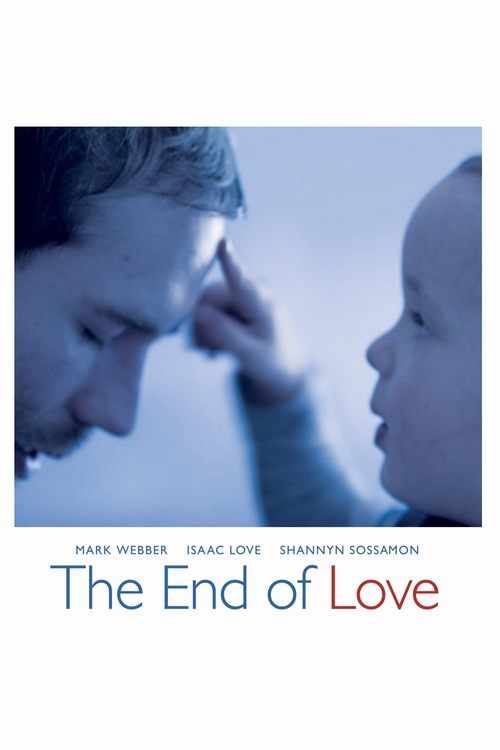
The End of Love is a character-driven story that excels in emotional realism. It stands out by deconstructing traditional masculine stability, presenting a protagonist who is flawed and struggles with parental responsibilities rather than being a competent leader. However, the film falls short in broadening its social representation. The cast is predominantly homogeneous, and the narrative stays within conventional romantic clichés without delving into LGBTQ+ or diverse racial perspectives. Ultimately, while the film provides a nuanced look at gendered emotional labor and the complexities of parenthood, it remains a traditional Western domestic drama in its casting and scope.
Category Breakdown
The story focuses on the end of a heterosexual relationship and introduces a new romance between a man and a woman. There are no prominent LGBTQ+ characters or stories that challenge traditional assumptions about relationships.
The film challenges typical male stereotypes by showing the male lead as emotionally stunted and inadequate. Female characters like Lydia take control and navigate grief and motherhood.
Set in London, the film features a largely homogenous cast. It lacks efforts to include diverse racial perspectives or multi-layered casting in the main storyline.
The narrative breaks down the idealized family unit by focusing on the raw reality of grief. It prioritizes emotional truth over adherence to traditional social or religious norms.
The film examines psychological states such as grief and existential crisis as universal human experiences rather than specific explorations of neurodivergence or disability.
Present on Screen
Limited or Absent
Official Synopsis
Mark is a struggling actor stuck between the life he once knew and the one waiting for him. When the mother of his two-year-old son suddenly passes away, Mark is forced to confront his shortcomings. Their fates, now intertwined, hang in the balance as Mark grapples with his ability to grow up. When he meets Lydia, a young mother, he is no longer able to live in the comfort of denial.
2015

2016

2009

2015

2005
2020

2010

2000
No reviews yet. Be the first to share your thoughts on this movie!
Use the rating form above to leave a star rating and optional review.