
The Animal World
1956
No user ratings available yet
Diversity score: 2.4 out of 10
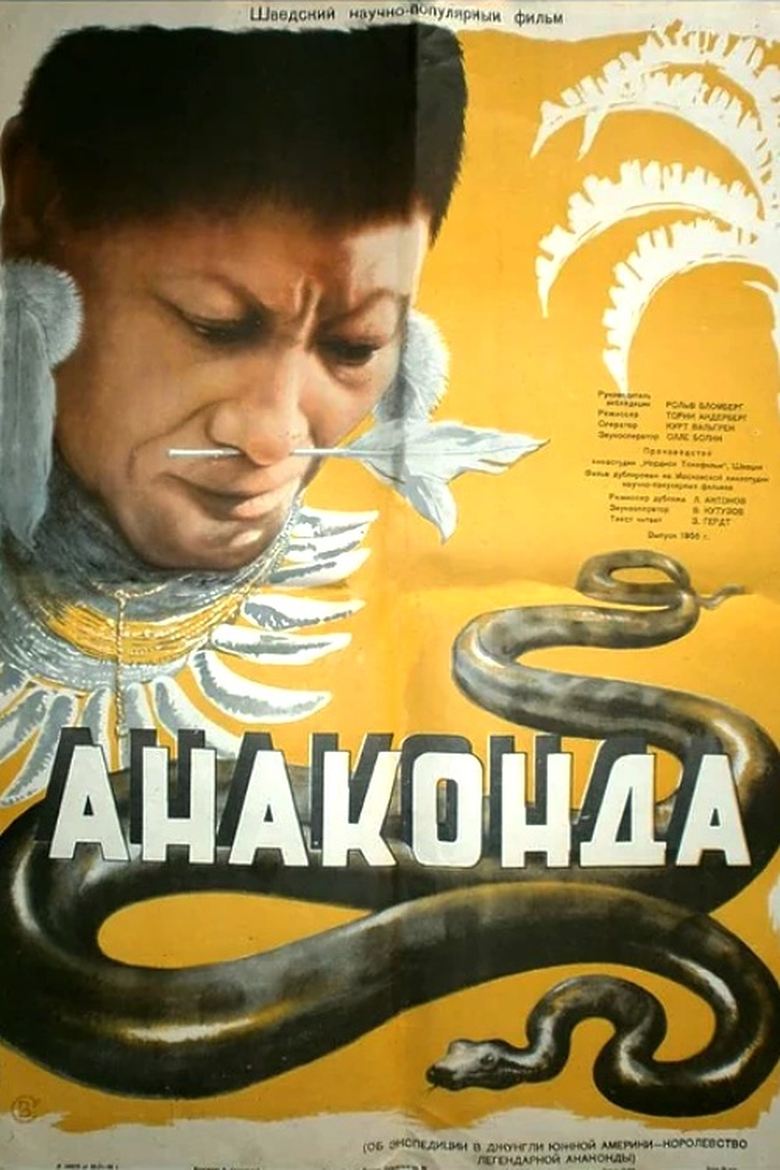
1954
Director
Torgny Anderberg
Runtime
99 minutes
Average Rating
No ratings yetSynopsis
Documentary by Torgny Anderberg
Overall Score
Limited
Category Breakdown
LGBTQ+ Representation
The film lacks any evidence of LGBTQ+ characters or non-cisnormative identities. There is no framework for queer visibility within this production.
Gender Representation
The documentary likely adheres to mid-century social structures. There is no evidence of women occupying roles of significant intellectual or physical agency.
Racial & Ethnic Diversity
The production appears to align with Western-centric perspectives. There is no documented evidence of diverse casting or non-white majority casts.
Religious & Cultural Diversity
The work functions within conventional mid-20th-century cultural frameworks. It lacks themes that challenge established social orders or institutional norms.
Disability Representation
There is no available information regarding the representation of disability. No specific character data or narrative details are present to confirm its inclusion.
Strengths
Areas for Improvement
AI Analysis
Anaconda (1955) is a product of mid-century observational cinema that reflects the standard compositional norms of its era. It lacks the intentionality required to disrupt traditional hierarchies or provide intersectional representation. The documentary focuses on naturalistic observation rather than narrative deconstruction. Consequently, it does not feature diverse casting or themes that challenge the social structures of the 1950s. Overall, the film functions as a conventional ethnographic or nature-based work, offering little in the way of modern social visibility or diverse perspectives.
1956
1951
2000
1972
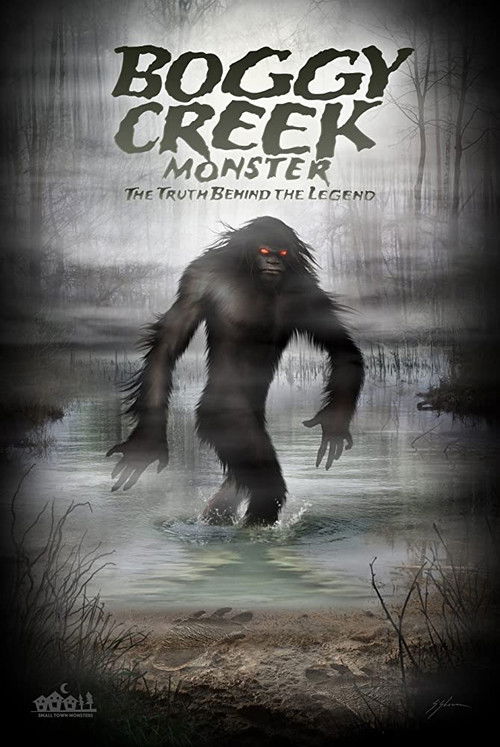
2016
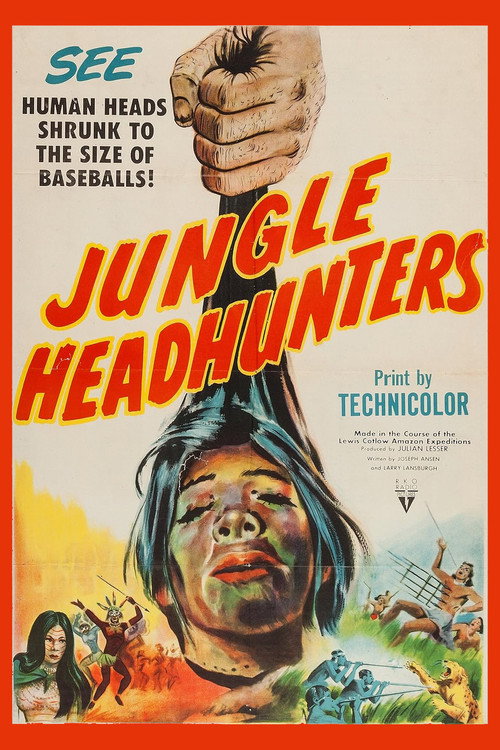
1951

1951
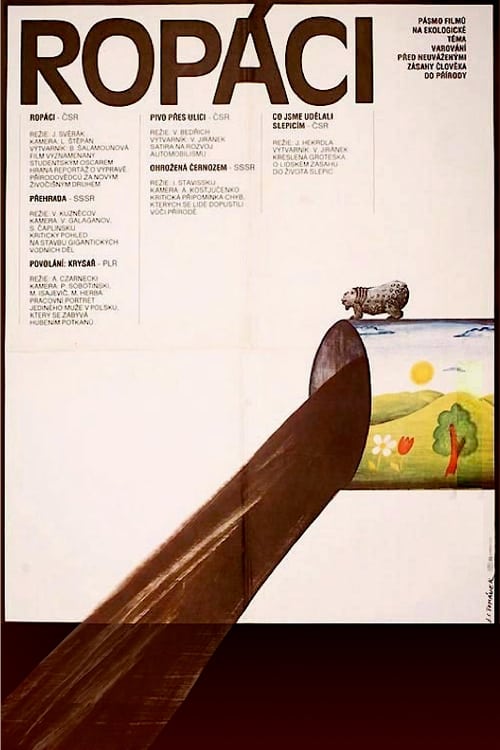
1988
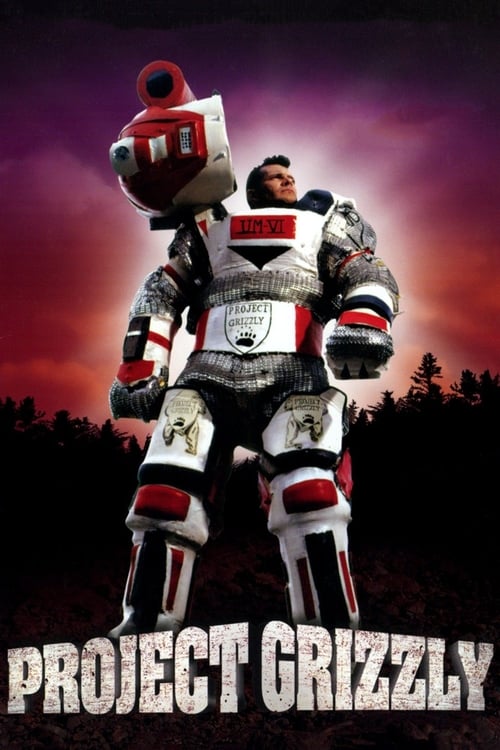
1997
1937

1954
1972
No reviews yet. Be the first to share your thoughts on this movie!
Use the rating form above to leave a star rating and optional review.