The Cherry Bushido
2022
No user ratings available yet
Diversity score: 3.1 out of 10
1983
Director
Kinji Fukasaku
Runtime
133 minutes
Average Rating
No ratings yetSynopsis
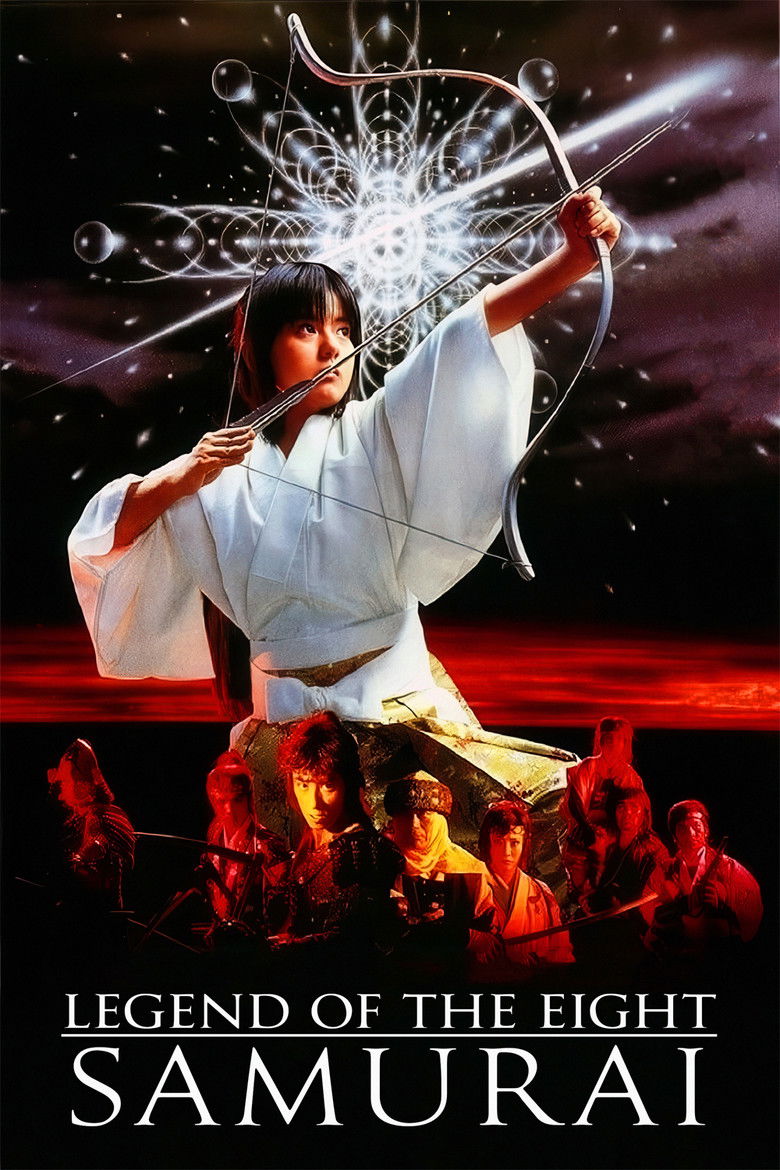
The evil Hikita clan rises from the dead to fulfill a curse on the Satomi clan by restoring the face of their warlord by using the skin of Princess Shizu. In the process of trying to capture her, the clan murders her entire family, but Princess Shizu escapes their clutches. She enlists the aid of eight samurai warriors, possessors of powerful magic crystal, led by Dosetsu (Sonny Chiba!) to help rescue the remaining members of her court and revenge her family. Along the way, they must fight undead warriors, evil spirits, poisonous beauties and a giant centipede.
Overall Score
Minimal
Category Breakdown
LGBTQ+ Representation
The film adheres to a traditional Sengoku-era framework. It lacks depictions of non-cisnormative identities or same-sex intimacy, focusing instead on heteronormative motivations and masculine archetypes.
Gender Representation
The story centers on a male-dominated samurai hierarchy. While Princess Shizu drives the plot, her agency remains reactive, functioning primarily as a figure in need of protection.
Racial & Ethnic Diversity
The cast is homogeneous, reflecting the historical Japanese setting. While culturally consistent with the period, the film does not engage in any subversion of racial or ethnic norms.
Religious & Cultural Diversity
Narratives focus on traditional values like loyalty and honor. The conflict follows a binary morality between virtuous and malevolent clans rather than exploring modern secularist critiques.
Disability Representation
The film emphasizes physical vitality and martial prowess. There are no notable portrayals of neurodivergent or physically disabled characters acting as central narrative drivers.
Strengths
Areas for Improvement
AI Analysis
Legend of the Eight Samurai is a quintessential chanbara action piece that prioritizes historical martial mythos over modern intersectional representation. The narrative structure reinforces traditional hierarchies, particularly regarding gender and social order. The film functions as a celebration of genre-specific tropes, such as honor and combat, rather than a tool for social critique. It operates within a rigid framework of period-accurate roles and binary morality. Ultimately, the work does not seek to disrupt conventional expectations or engage with contemporary identities, remaining firmly rooted in the conventions of the sword-fighting tradition.
2022

1980
1987
1986

1979
No reviews yet. Be the first to share your thoughts on this movie!
Use the rating form above to leave a star rating and optional review.