The Covenant
2017
No user ratings available yet
Representation score: 2.8 out of 10
Representation Score
Limited
2017
Director
Suneel Tripuraneni
Runtime
81 minutes
Average Rating
No ratings yetNew Showbiz Analysis
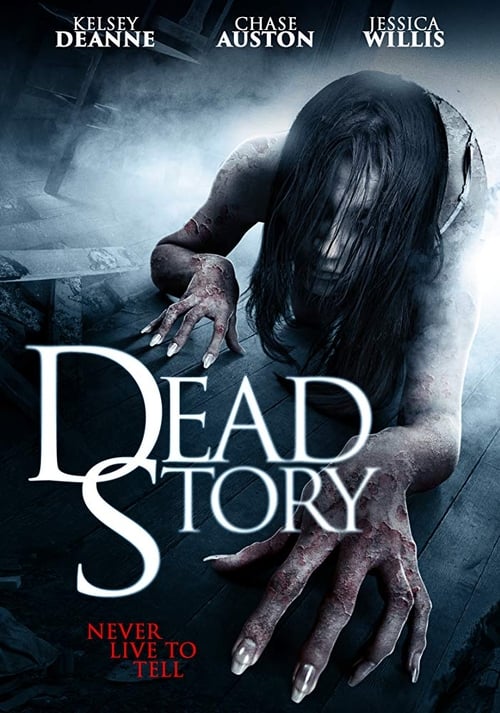
Dead Story operates as a conventional genre piece that heavily relies on well-known horror clichés. The narrative structure centers around a standard domestic setting and a heterosexual couple, offering little in terms of social or systemic challenges. The film lacks visible diversity in terms of race and LGBTQ+ identities. Without clear evidence of a diverse cast or non-traditional relationships, the film stays within traditional, narrow cinematic boundaries. While the protagonist's psychological journey is central, it is uncertain whether the film provides meaningful commentary on gender or disability. It seems to prioritize genre-standard tension over addressing multiple layers of diversity.
Category Breakdown
The story focuses on a heterosexual relationship between Anne and Harold. There is no indication of non-straight or non-cisgender identities, nor does it critique the assumption that everyone is straight or cisgender.
The plot centers on Anne's psychological state and feelings of isolation. It is unclear whether her actions challenge traditional views of femininity or simply follow the 'hysterical woman' stereotype often found in horror films.
No information is provided about the racial or ethnic makeup of the cast. There is no evidence of a predominantly non-Anglo-Saxon cast or diverse casting practices.
The film uses the typical Western 'haunted house' theme. The narrative follows conventional horror structures related to domestic settings without providing specific critiques of religious or secular themes.
There is no explicit mention of neurodivergence or physical disabilities. Anne's unusual behavior might serve as a plot device rather than a deliberate representation of mental health issues.
Present on Screen
Limited or Absent
Official Synopsis
When a young couple – Anne and Harold – moves into a new home without knowing it was a site of horrific murders, Anne's loneliness and strange behavior makes their relationship complicated, especially after Anne meets 'Mary', a dark presence from which she can't escape.
2017
2002
2020
2015
2018
2020
2014
2003
No reviews yet. Be the first to share your thoughts on this movie!
Use the rating form above to leave a star rating and optional review.