Perfect Strangers
1984
No user ratings available yet
Diversity score: 2.9 out of 10
1998
Director
Marc Evans
Runtime
102 minutes
Average Rating
No ratings yetSynopsis
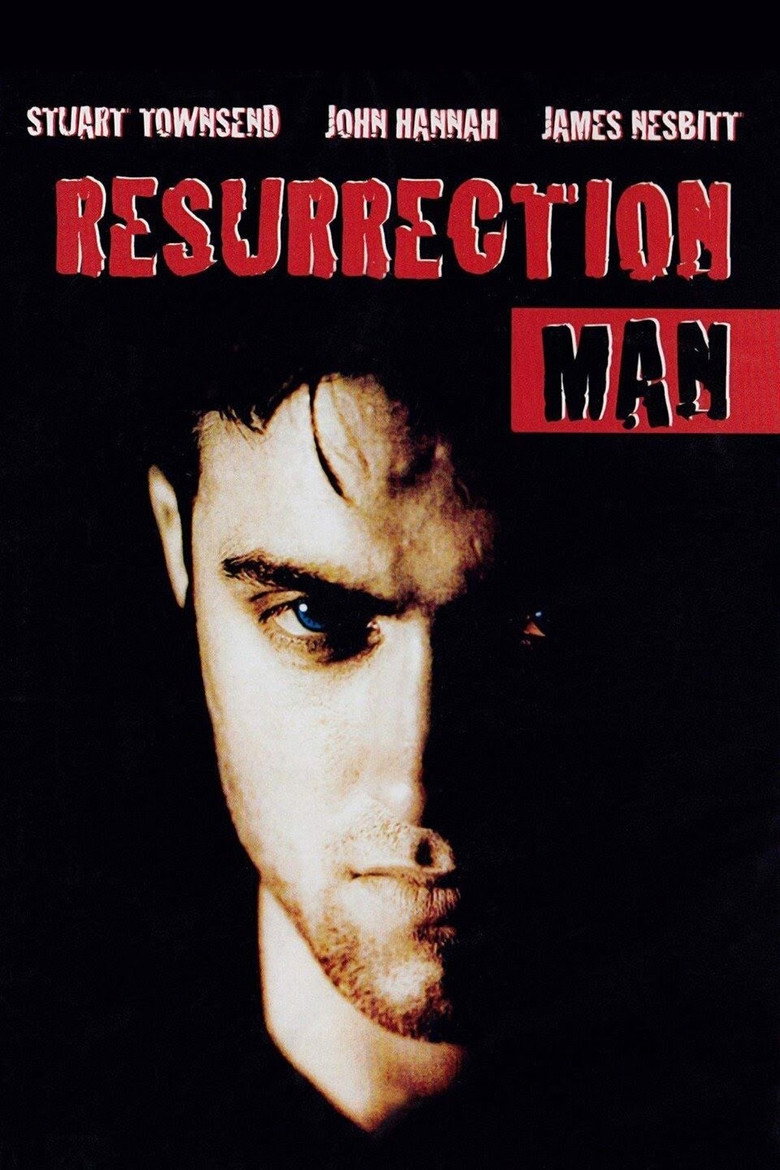
Belfast, in 1970s. Victor Kelly is a young protestant man who hates the Catholics so much that one night he begins to brutally murder them. A reporter soon tries to uncover the murder and obtained prestige for himself, while Victor sinks deeper into madness.
Overall Score
Fair
Category Breakdown
LGBTQ+ Representation
The film focuses entirely on sectarian religious conflict. There is no indication of LGBTQ+ characters or non-heteronormative narratives within the story.
Gender Representation
The narrative centers on male-driven arcs, specifically a descent into madness and a pursuit of professional prestige. Female roles are not explicitly detailed.
Racial & Ethnic Diversity
Set in 1970s Belfast, the film explores religious and political division rather than multi-ethnic diversity. The conflict is rooted in local sectarianism.
Religious & Cultural Diversity
The film critiques traditional religious and social structures. It portrays religious fervor as a source of systemic dysfunction and communal instability.
Disability Representation
There is no specific evidence regarding physical disability. The protagonist's descent into madness may touch on mental health through a criminal lens.
Strengths
Areas for Improvement
AI Analysis
Resurrection Man is a localized psychological study of sectarianism in 1970s Belfast. It prioritizes the study of religious hatred and individual pathology over broad intersectional representation. The film succeeds in deconstructing traditional communal identities by showing the destructive nature of religious tribalism. However, the narrative remains narrow, focusing on masculine violence and religious-political identity. Ultimately, the work lacks the diverse casting and intersectional breadth found in more progressive cinema, functioning instead as a gritty, period-specific crime thriller.
1984

2010

2008

1970
1992
1991
1992

2005
No reviews yet. Be the first to share your thoughts on this movie!
Use the rating form above to leave a star rating and optional review.