99 Songs
2021
No user ratings available yet
Diversity score: 5.1 out of 10
1985
TV-PGDirector
Emmanuel H. Borlaza
Runtime
126 minutes
Average Rating
No ratings yetSynopsis
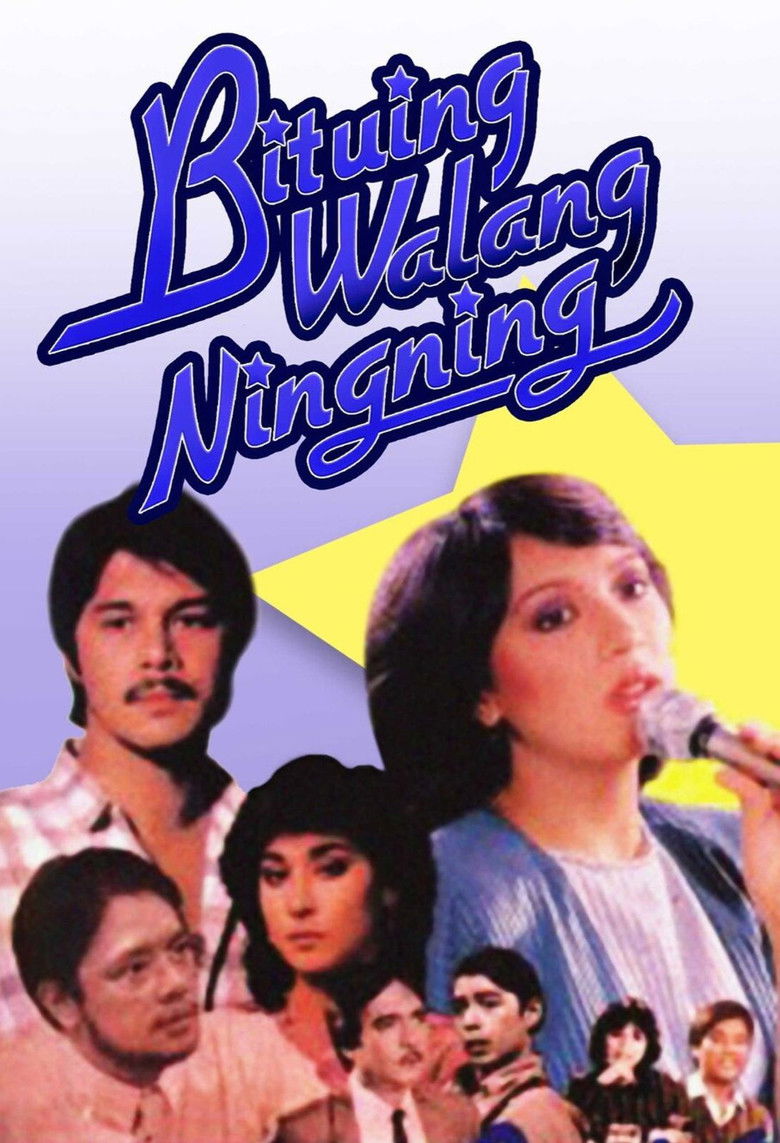
Dorina Pineda is a sampaguita vendor idolizing the most famous singing sensation in the country, Lavinia Arguilles. Lavina with her ego getting big, drives away her fans and even her boyfriend Nico Escobar. He later discovers Dorina as a wonderful singer and eventually falls in love with her. A simple die-hard fan at first, Dorina rose to the ranks and become the biggest singing star in the country, even becoming more famous than her idol Lavinia.
Overall Score
Fair
Category Breakdown
LGBTQ+ Representation
The film follows a traditional heteronormative framework. The central romance between Dorina and Nico Escobar adheres to conventional courtship patterns without queer subtext.
Gender Representation
Dorina serves as a powerful protagonist who drives her own destiny. While she eclipses her rival, the film uses male characters primarily as romantic catalysts.
Racial & Ethnic Diversity
The story centers on a Filipino cast and local socioeconomic realities. It avoids Western-influenced whitewashing by focusing on domestic identity and social mobility.
Religious & Cultural Diversity
The narrative uses a class-struggle lens to contrast poverty with the elite. It critiques the systemic cruelty found within the entertainment industry.
Disability Representation
There are no prominent depictions of physical or neurodivergent disabilities within the character descriptions or plot.
Strengths
Areas for Improvement
AI Analysis
Bituing Walang Ningning is a classic study of social mobility and class dynamics. It succeeds by centering a Filipino identity and exploring the friction between different socioeconomic tiers. The protagonist's journey from a sampaguita vendor to a superstar provides a grounded look at ambition. However, the film remains tethered to the melodramatic tropes of its era. The romantic structures are strictly heteronormative, and the male characters lack significant agency outside of their roles as love interests. While the female rivalry is central, the film does not seek to deconstruct traditional masculinity. Ultimately, the film's strength lies in its cultural specificity. By focusing on local realities rather than Anglo-centric norms, it offers a robust representation of the Filipino experience through the lens of professional and social triumph.
No reviews yet. Be the first to share your thoughts on this movie!
Use the rating form above to leave a star rating and optional review.