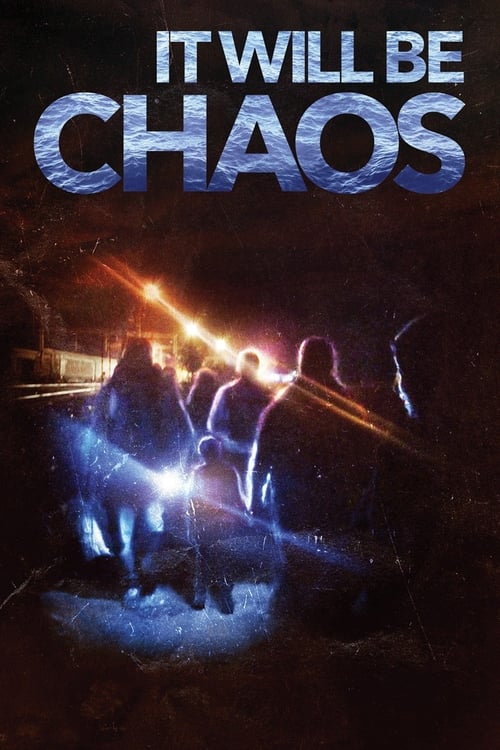
It Will be Chaos
2018
No user ratings available yet
Representation score: 9.0 out of 10
Representation Score
Good
2018
Director
Markus Imhoof
Runtime
90 minutes
Average Rating
No ratings yetNew Showbiz Analysis
Markus Imhoof’s documentary blends personal memory with modern geopolitical crises. By intertwining childhood experiences in the Swiss Alps with contemporary Mediterranean migration, the film blurs the line between memoir and social commentary. The narrative effectively challenges European stability by contrasting insular, traditionalist pasts with modern systemic displacement. It employs perspectives on cultural and LGBTQ+ issues to question how societies define outsiders. While the film excels in cultural and LGBTQ+ critique, its historical segments are constrained by the demographic realities of the 1950s. However, the globalized perspective of the modern segments offers a crucial counter-narrative.
Category Breakdown
The film explores hidden identities within a conservative Alpine setting. It looks at the social construction of normalcy and the tensions that arise when traditional morality conflicts with same-sex attraction.
The documentary depicts mid-century Swiss domestic hierarchies and traditional roles. While acknowledging rigid social structures, it highlights the ability to act of female subjects through their lived experiences of isolation and community preservation.
Historical segments feature a predominantly white Swiss cast, but contemporary segments center the experiences of refugees and migrants. This juxtaposition critiques the idea of a homogeneous Western identity.
The film deconstructs traditional Western institutions and the restrictive nature of family structures. It contrasts past moral conformity with the systemic displacement of the present to critique Western stability.
There is insufficient evidence to provide a definitive score regarding the representation of visible or invisible disabilities.
Present on Screen
Limited or Absent
Official Synopsis
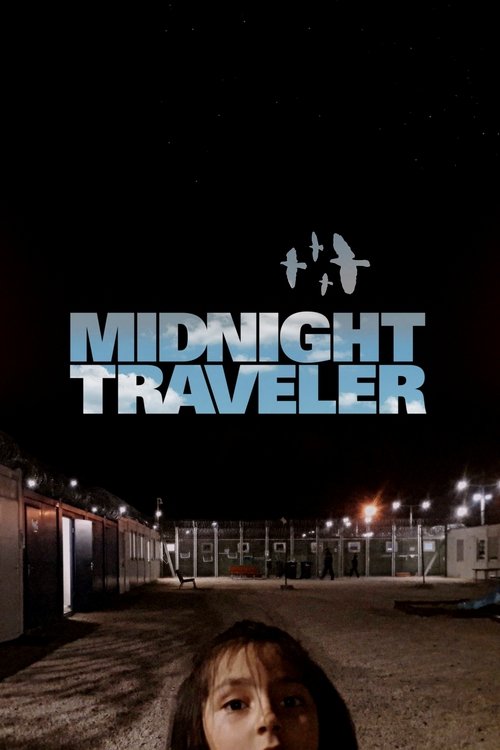
Drawing inspiration from his personal encounter with the Italian refugee child Giovanna during World War II, Markus Imhoof tells how refugees and migrants are treated today: on the Mediterranean Sea, in Lebanon, in Italy, in Germany and in Switzerland.
2018
2016
2016
2021
2019
2019
2016
2019
No reviews yet. Be the first to share your thoughts on this movie!
Use the rating form above to leave a star rating and optional review.