
Child Eater
2016
No user ratings available yet
Representation score: 0.2 out of 10
Representation Score
Limited
2015
Director
Luke Guidici
Runtime
4 minutes
Average Rating
No ratings yetNew Showbiz Analysis
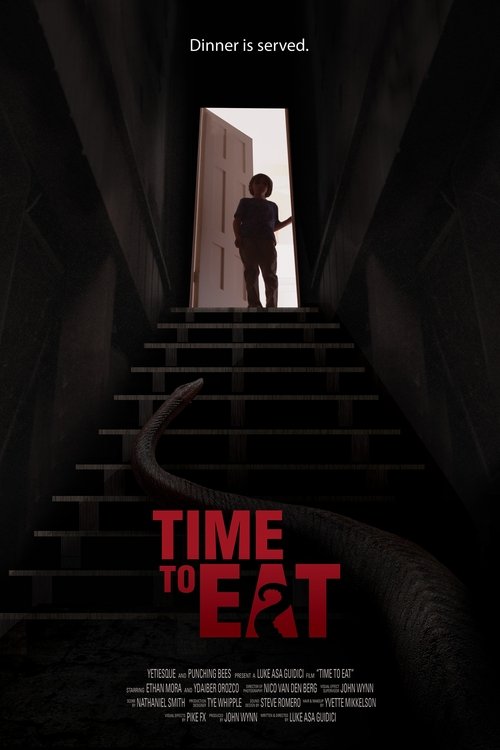
Time to Eat is a localized horror short that follows traditional genre clichés. The story revolves around a mischievous boy who encounters a monster during a trip to the basement. Given that the narrative adheres to standard horror conventions, it does not delve into broader social commentary or diverse identities. The film lacks intentional representation of diverse identities, maintaining a conventional approach to the genre. The story focuses on a traditional character arc without exploring broader cultural or identity-based themes. Overall, the film stays true to its genre roots, offering a straightforward, singular narrative without venturing into more complex social or cultural issues.
Category Breakdown
The film does not include any characters with non-binary or transgender identities. The story focuses solely on a child and a monster.
The story centers around a male protagonist, a mischievous boy. There are no female characters mentioned, and the story does not challenge traditional gender roles.
The cast includes actors of different racial backgrounds, but the story does not provide any insight into how race influences the characters' actions or decisions.
The story is set within a typical Western household, following common disciplinary practices like sending a child to timeout. The narrative does not explore any cultural themes or subversions.
The film does not address any physical disabilities, mental health conditions, or neurodivergence. These factors do not play a role in the narrative or character development.
Present on Screen
Limited or Absent
Official Synopsis
After being sent to timeout, a mischievous boy's trip to the basement leads to a monstrous revelation.
2016

2015
2019
2009

2016

2018

2018

2015
No reviews yet. Be the first to share your thoughts on this movie!
Use the rating form above to leave a star rating and optional review.