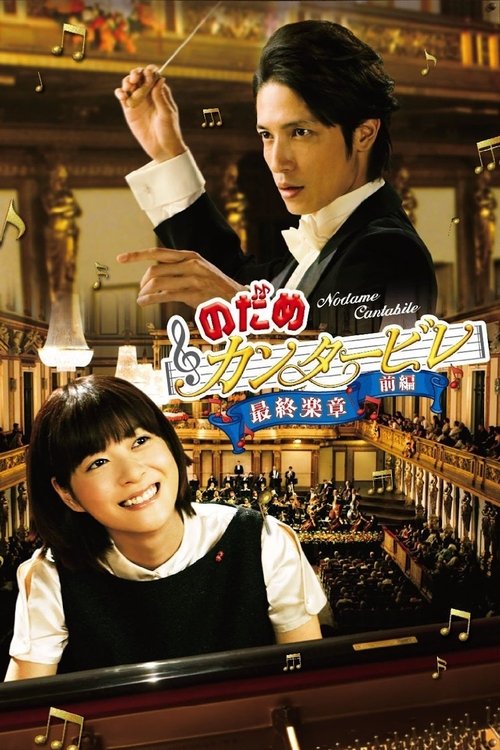
Nodame Cantabile: The Movie I
2009
No user ratings available yet
Diversity score: 3.3 out of 10
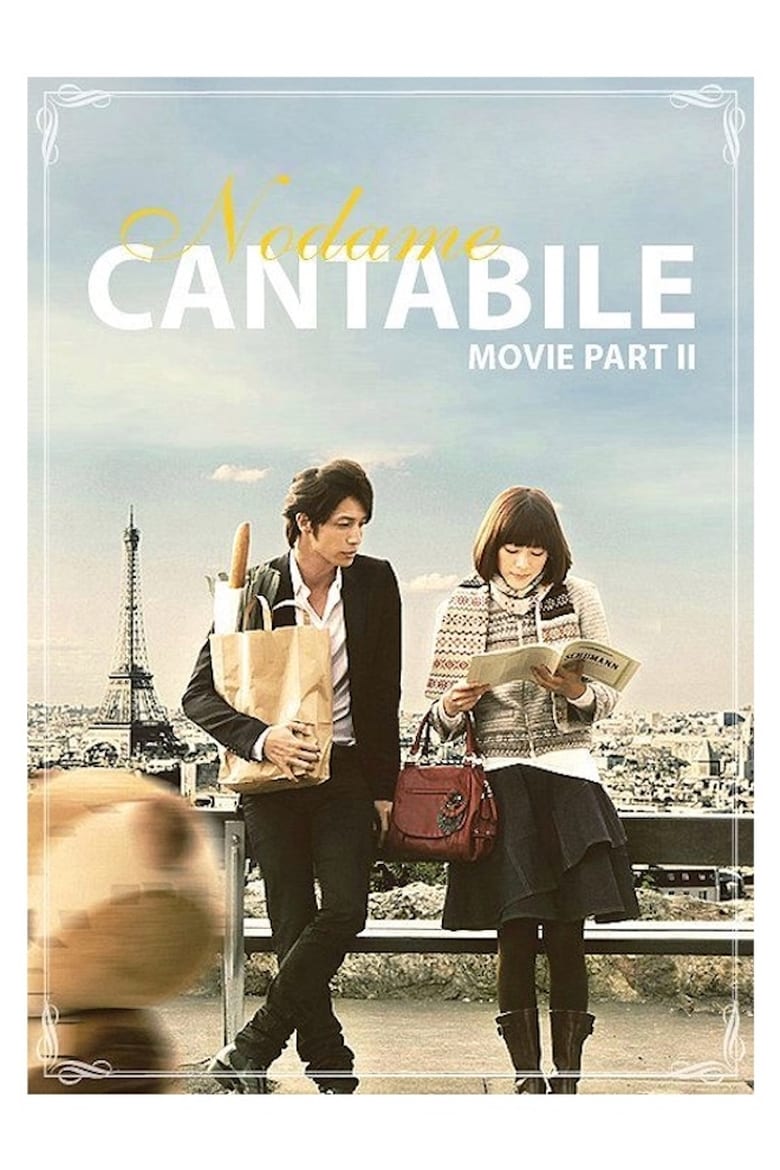
2010
Director
Taisuke Kawamura, Hideki Takeuchi
Runtime
123 minutes
Average Rating
No ratings yetSynopsis
Nodame and Chiaki mutually decide that it would be for the best if they parted ways for a while so Nodame can practice for an upcoming competition. However, when things don’t go her way, she gets impatient and depressed. While Nodame is away, Chiaki’s former pianist Rui Son returns to take her place. To make matters worse, Rui and Chiaki are set to play the song Nodame dreams of playing with Chiaki herself: Ravel’s “Concerto in G Minor”.
Overall Score
Limited
Category Breakdown
LGBTQ+ Representation
The film lacks LGBTQ+ characters or explorations of non-heteronormative identities. The central romantic tension is strictly framed within a traditional heterosexual dynamic between Chiaki and Nodame.
Gender Representation
Nodame disrupts traditional feminine archetypes through her eccentric, highly capable, and socially non-conformist personality. However, the professional hierarchy between conductor and pianist remains largely intact.
Racial & Ethnic Diversity
The cast is highly homogeneous, reflecting the specific Japanese setting of the classical music scene. There is no significant inclusion of non-Japanese characters or intersectional racial diversity.
Religious & Cultural Diversity
The narrative celebrates the discipline and meritocratic rigor of Western classical music traditions. It focuses on professional dedication within established social and institutional frameworks.
Disability Representation
There are no visible or invisible disabilities portrayed as central to the narrative. Characters are defined by musical talent and personality rather than neurodivergence or physical disability.
Strengths
Areas for Improvement
AI Analysis
Nodame Cantabile: The Movie II is a character-driven musical drama that prioritizes professional excellence and romantic evolution over social representation. While it offers a refreshing take on female agency through a non-conformist protagonist, the film remains within conventional bounds. The narrative is culturally specific and homogeneous, focusing on the Japanese classical music scene without significant racial or intersectional diversity. It functions as a celebration of specialized discipline rather than a tool for challenging systemic hierarchies. Ultimately, the film's strengths lie in its nuanced depiction of gendered professional dynamics, even as it maintains traditional romantic and institutional structures.
2009
2017

2021

2008
No reviews yet. Be the first to share your thoughts on this movie!
Use the rating form above to leave a star rating and optional review.