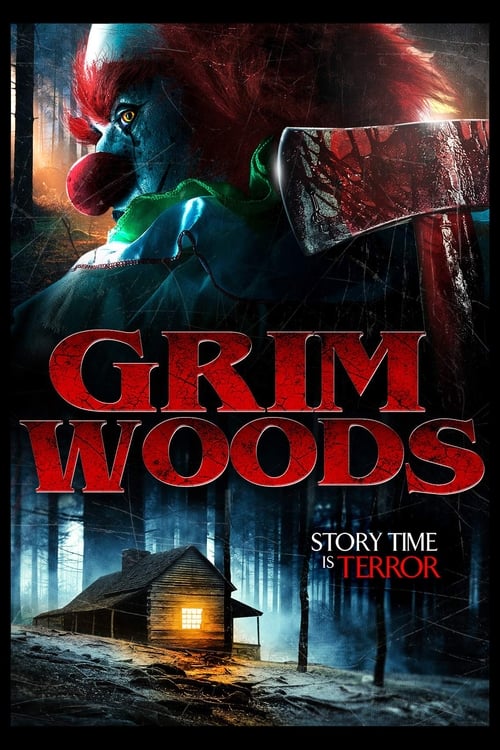
Grim Woods
2019
No user ratings available yet
Representation score: 0.9 out of 10
Representation Score
Limited
2014
TV-MADirector
Jacob Grim
Runtime
105 minutes
Average Rating
No ratings yetNew Showbiz Analysis
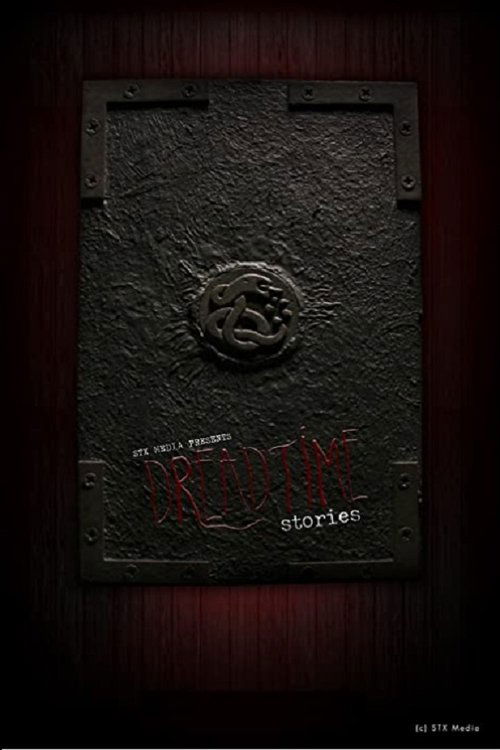
Dreadtime Stories primarily operates within established horror clichés, focusing on monsters and madmen. This reliance on traditional archetypes limits the film's ability to offer nuanced or subversive representation. While the cast suggests some ethnic variety, the narrative lacks confirmed depth regarding the way different parts of someone's identity overlap or character's ability to drive the story. The film's use of the 'madman' cliché is particularly concerning for disability representation. In this genre, neurodivergence is often used as a plot device for fear rather than a lived experience. Without evidence of characters driving the plot through their own perspectives, the film remains tethered to conventional horror clichés. Ultimately, the anthology format provides a platform for an ensemble, but the content appears to favor standard genre clichés over systemic subversion. The lack of clear social or cultural commentary keeps the diversity impact minimal.
Category Breakdown
There is no clear indication that the film includes LGBTQ+ characters or narratives. The story seems to revolve around heterosexual relationships and does not explore any other sexual orientations or gender identities.
The film focuses on aggressive and unstable male characters, reinforcing traditional gender roles. There is no evidence of women challenging gender hierarchies or showcasing superior intellect.
While the cast list suggests a diverse group of actors, the film lacks confirmed multi-layered depth. It is unclear if the characters play a significant role in driving the story or represent non-white majorities.
The story adheres to standard horror conventions without deconstructing Western institutions. The film lacks explicit anti-institutional or anti-capitalist themes that could enhance its cultural impact.
The inclusion of 'madmen' suggests a focus on mental health or neurodivergence. However, these depictions risk using disability as a source of terror rather than providing genuine ability to act to the characters.
Present on Screen
Limited or Absent
Official Synopsis
A party turns bizarre when a malevolent book makes its way into the hands of the attendees who reveal its tales of monsters, madmen and the supernatural.
2019
2015
2024
2014
2018
2009
2017
2006
No reviews yet. Be the first to share your thoughts on this movie!
Use the rating form above to leave a star rating and optional review.