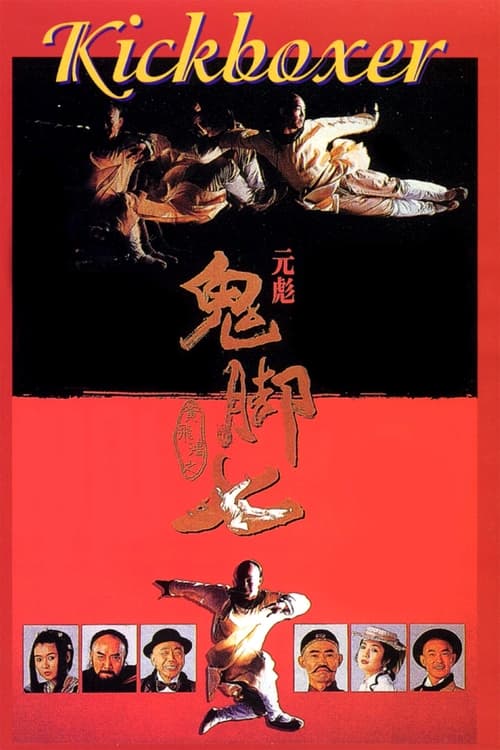
Kickboxer
1993
No user ratings available yet
Representation score: 1.9 out of 10
Representation Score
Minimal
1990
Director
Lau Kar-Yung
Runtime
88 minutes
Average Rating
No ratings yetNew Showbiz Analysis
Lau Kar-Yung’s film is a classic example of traditional martial arts cinema, emphasizing technical skill and genre conventions over social commentary. The narrative is centered on established hierarchies of mentorship and masculine combat, limiting its depth in representing diverse identities. While the film successfully portrays Chinese identity and martial arts culture, it adheres to the era’s standard clichés. It focuses on physical prowess and justice, offering little critique of existing social or gender norms. Ultimately, the work reflects the social norms of its time and region, emphasizing traditional masculine archetypes and familial structures.
Category Breakdown
The film does not include any LGBTQ+ characters or narratives, sticking closely to the traditional heterosexual norms of 1990s Hong Kong action cinema.
The story revolves around a male-dominated hierarchy involving students, an uncle, and a criminal gang. Male characters primarily drive the plot and hold ability to act.
The cast is predominantly East Asian, reflecting the film's cultural context. It offers a strong representation of Chinese identity and martial arts traditions.
The narrative highlights traditional values such as family loyalty and mentorship. It follows common genre clichés about justice and discipline without critiquing societal structures.
The film does not address visible or invisible disabilities. Disability is not used as a narrative device.
Present on Screen
Limited or Absent
Official Synopsis
Two exceptional kung fu students leave the mainland to work for their uncle in Hong Kong. Before long the students and their cousin, get mixed up in a drug smuggling ring. They decide to take on the gang in an all-out action fest.
1993

1991
1974
2007
1985
1995
1991
1974
No reviews yet. Be the first to share your thoughts on this movie!
Use the rating form above to leave a star rating and optional review.