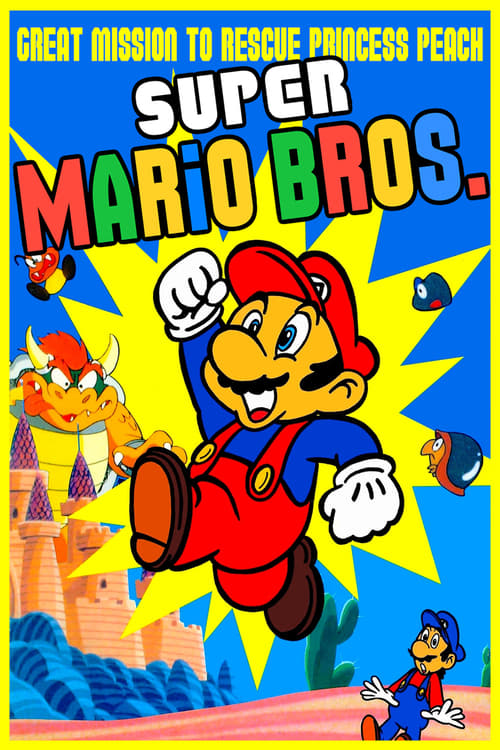
Super Mario Brothers: Great Mission to Rescue Princess Peach
1986
No user ratings available yet
Representation score: 0.6 out of 10
Representation Score
Limited
1985
Director
Shigeru Miyamoto
Runtime
50 minutes
Average Rating
No ratings yetNew Showbiz Analysis
The narrative centers on two Italian-American brothers who travel to a parallel dimension to rescue a kidnapped woman. The plot relies on male competence and brotherhood, positioning the female lead as a passive object of rescue rather than an active participant. The cast is predominantly white, with non-human creatures filling supporting roles. Cultural framing remains traditional, presenting family loyalty as a core virtue and resolving conflict through clear moral binaries. The villain is defeated to restore a conventional social order. There is no exploration of LGBTQ+ identities, disability, or complex social dynamics. The story depends on physical action and straightforward heroism to drive the plot forward, offering minimal social commentary or nuanced character development.
Category Breakdown
All romantic pairings are heterosexual. Mario and Luigi are brothers, while Daisy serves as the female love interest. No same-sex intimacy or non-binary identities appear on screen.
Two men drive the plot as active heroes. Daisy is a passive prize who is kidnapped and rescued. The male bond forms the emotional core, with women serving as objects of protection.
The lead brothers are Italian-American plumbers. The cast includes white actors in human roles, while non-human characters fill the background. No significant non-white human leads are present.
Family loyalty and brotherhood are treated as virtues. The Catholic orphanage setting is factual rather than thematic. The story reinforces traditional hierarchies where the king rules and heroes restore order.
No characters have ongoing physical or cognitive disabilities. Physical capabilities are standard for the genre. No medical conditions or assistive devices are featured as part of character identity.
Present on Screen
Limited or Absent
Official Synopsis
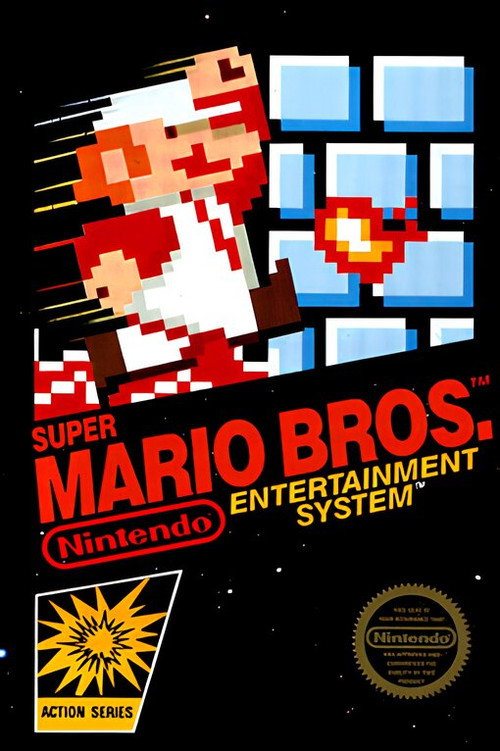
Super Mario Bros. is a platform game developed by Nintendo Research & Development 4 and published by Nintendo for the Famicom in Japan in 1985, and for the Nintendo Entertainment System (NES) in North America and Europe in 1985 and 1987, respectively. It is the successor to the 1983 arcade game Mario Bros. Players control Mario or his brother Luigi in multiplayer mode as they travel through the Mushroom Kingdom to rescue Princess Peach from Bowser. They must traverse the game worlds in a side-scrolling view, avoiding hazards such as enemies and pits with the help of power-ups like the Super Mushroom, Fire Flower, and Super Star.
1986
1990

2001
1993
1997

1984

1996
1982
No reviews yet. Be the first to share your thoughts on this movie!
Use the rating form above to leave a star rating and optional review.