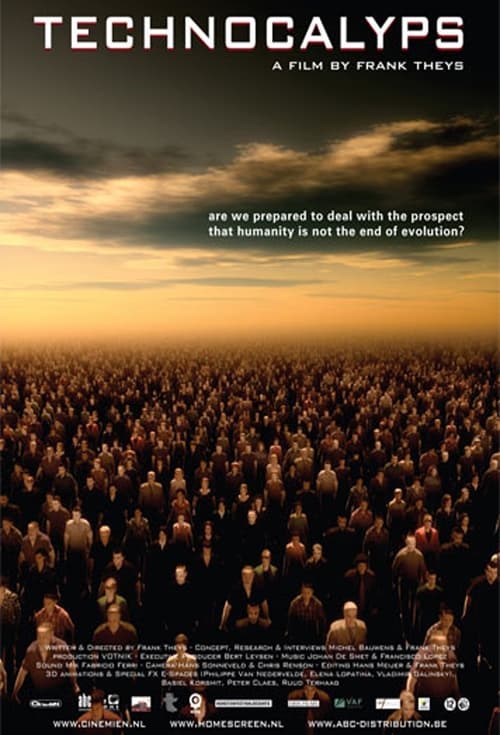
TechnoCalyps
2006
No user ratings available yet
Representation score: 8.4 out of 10

Representation Score
Excellent
1996
Director
John Akomfrah
Runtime
45 minutes
Average Rating
No ratings yetNew Showbiz Analysis
John Akomfrah’s work is a sophisticated disruption of science fiction norms. By combining Pan-African culture with cybernetic theory, it challenges the Western hegemony often seen in the genre. The film’s greatest strength lies in its Afrofuturist approach, reclaiming the digital future for the African diaspora. It employs postmodern collage to critique systemic power and colonial legacies. However, its experimental, essayistic nature means it lacks specific interpersonal character development. This results in less emphasis on gender and LGBTQ+ representation, focusing instead on systemic issues.
Category Breakdown
While the film focuses on Pan-Africanism and cybernetics, it lacks specific LGBTQ+ narratives. The postmodern structure challenges traditional storytelling but does not prominently feature LGBTQ+ identities or non-assuming gender matches what was assigned at birth characters.
By emphasizing the technological perspective, the film avoids traditional gender hierarchies and male-centric sci-fi clichés. However, the absence of well-developed female roles limits its impact on gender representation.
As a key Afrofuturist work, the film centers the African diaspora within advanced technology. It uses Black intellectuals and archival imagery to reclaim control from Anglo-centric narratives.
The film critiques Western technological dominance and colonial legacies. It emphasizes fragmented memories and post-colonial perspectives over a singular, objective Western history.
Using the cyborg metaphor, the film explores the fusion of consciousness and technology. This provides a philosophical look into neurodivergence and altered sensory experiences without relying on sentimentality.
Present on Screen
Limited or Absent
Official Synopsis
An examination of the hitherto unexplored relationships between Pan-African culture, science fiction, intergalactic travel, and rapidly progressing computer technology.
2006
2002
2022

1989
2009
2001

2019

2016
No reviews yet. Be the first to share your thoughts on this movie!
Use the rating form above to leave a star rating and optional review.