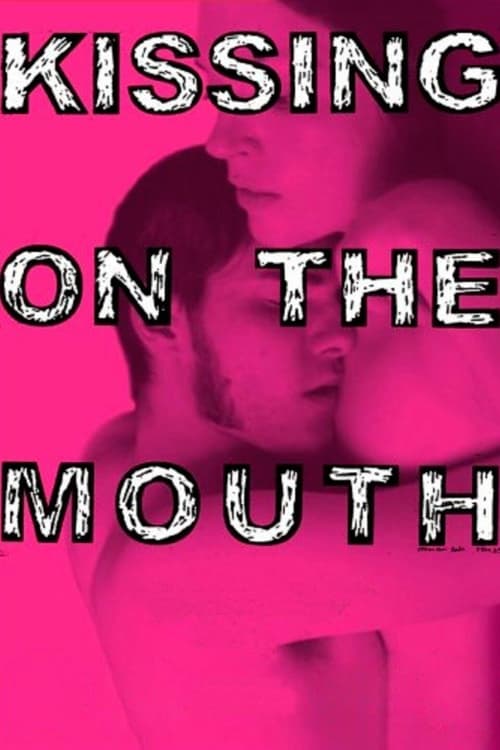
Kissing on the Mouth
2005
No user ratings available yet
Representation score: 3.7 out of 10
Representation Score
Good
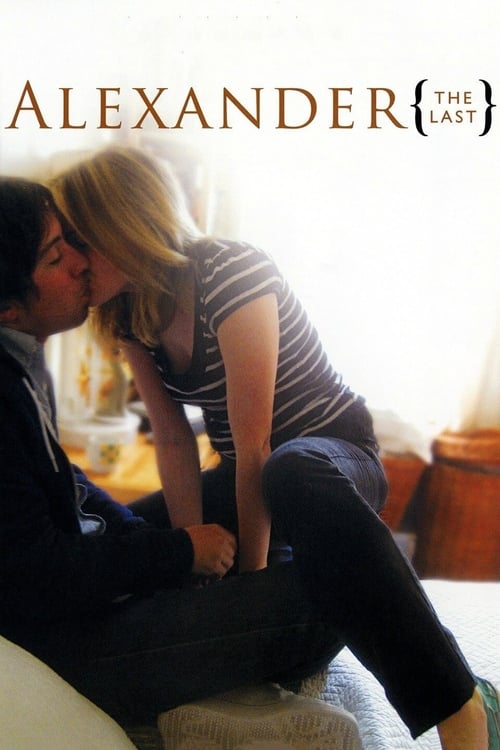
2009
Not RatedDirector
Joe Swanberg
Runtime
72 minutes
Average Rating
No ratings yetNew Showbiz Analysis
Joe Swanberg’s mumblecore approach provides a raw, naturalistic look at intimacy and interpersonal friction. The film succeeds in challenging traditional views by centering female autonomy and questioning conventional depictions of marital stability. However, the work remains limited by its narrow social scope. It lacks significant racial diversity and fails to integrate characters with disabilities, reflecting a specific, homogeneous urban aesthetic. Ultimately, the film is a study of micro-social shifts. While it embraces postmodern moral relativism, it lacks the broader social or identity-driven disruptions needed for a higher diversity score.
Category Breakdown
The film explores sexual fluidity and casual intimacy through a mumblecore style. However, it lacks centralized LGBTQ+ identities or narratives that actively question the assumption that everyone is straight or cisgender.
The story centers on the roles and desires of female protagonists, specifically a married actress and her sister. This approach challenges traditional patriarchal structures and domestic clichés.
The narrative reflects a relatively homogeneous urban, creative community. There is no indication of a non-white majority cast or intentional multi-layered representation.
The film prioritizes subjective morality and secular ethics over traditional religious frameworks. It functions as a micro-social study of interpersonal dynamics rather than a systemic critique.
The narrative focuses strictly on neurotypical, able-bodied social interactions. There is no discernible evidence of characters with visible or invisible disabilities.
Present on Screen
Limited or Absent
Official Synopsis
An ensemble drama about a married actress, her sister and their myriad sexual and creative temptations.
2005

2007

2011
2000
2009
2004

2007

2010
No reviews yet. Be the first to share your thoughts on this movie!
Use the rating form above to leave a star rating and optional review.