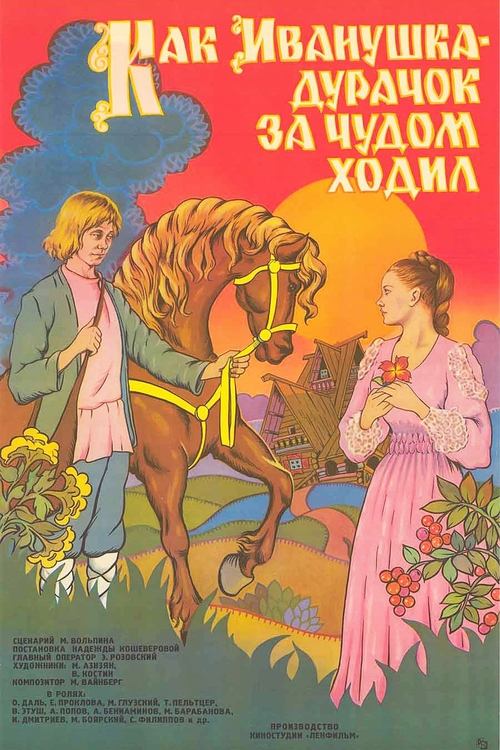
How Ivanushka the Fool Travelled in Search of Wonder
1977
No user ratings available yet
Representation score: 6.0 out of 10
Representation Score
Limited
1981
Director
Irma Raush
Runtime
76 minutes
Average Rating
No ratings yetNew Showbiz Analysis
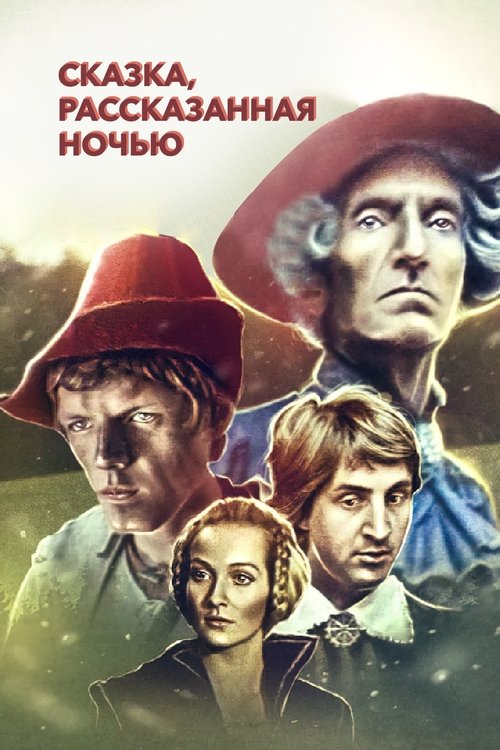
A Fairy Tale Told at Night is a traditionalist adaptation of Wilhelm Hauff’s German Romanticist tales. It prioritizes preserving literary heritage and classical moral structures over modern multi-layered complexity. The film functions as a standard moral fable, focusing on themes of virtue and temptation. This approach aligns with historical archetypes rather than progressive social critiques. Ultimately, the production is a product of its era and source material, offering a conventional viewing experience that lacks systemic diversity or non-traditional representation.
Category Breakdown
The film adheres to traditional European family fantasy structures from the 1980s. There are no queer narratives or non-straight identities within the story.
Female characters play conventional roles defined by their moral strength or their relationship to the main character. The film follows typical gender hierarchies found in 1980s adventure-fantasy.
The production reflects a European-centric setting inspired by 19th-century German literature. There is no indication of a diverse cast or actors from different backgrounds.
As a traditional moral fable, the film upholds established social orders. It relies on classic literary clichés rather than challenging cultural or institutional norms.
The narrative contains no documented evidence regarding the inclusion of characters with physical or neurodivergent disabilities.
Present on Screen
Limited or Absent
Official Synopsis
A story based on the tales "The Marble Heart" and "The Spessart Inn" by Wilhelm Hauff.
1977
1985

1972
1982
2015
2014
2008
2007
No reviews yet. Be the first to share your thoughts on this movie!
Use the rating form above to leave a star rating and optional review.