
Her Second Chance
2024
No user ratings available yet
Representation score: 8.2 out of 10
Representation Score
Fair
2025
Director
Qin Xiaoyu
Runtime
86 minutes
Average Rating
No ratings yetNew Showbiz Analysis
The film serves as a character-driven drama that examines the tension between personal redemption and systemic social barriers. It shifts away from traditional domestic archetypes to explore the aftermath of domestic violence and maternal alienation. By centering on an ex-convict, the narrative challenges social hierarchies and the failure of institutions to support reintegration. It replaces the 'stable home' cliché with a complex look at societal exclusion and dysfunction. While the film lacks explicit LGBTQ+ or disability-focused representation, its thematic depth lies in its critique of the social contract and the oppressive nature of community judgment.
Category Breakdown
The story revolves around a traditional family structure with a husband, son, and grandmother. There are no queer themes or non-cisgender identities featured.
The film challenges traditional gender roles by focusing on a woman who committed violence against her husband. It explores her role beyond conventional motherhood.
The setting seems localized, but specific ethnic casting details are not provided. The score reflects a culturally specific drama without explicit global diversity.
The story critiques social institutions and presents the 'invisible prison' of community judgment. It deconstructs the ideal family cliché by showing it as a site of trauma.
There are no physical or neurodivergent disabilities mentioned. While the protagonist's psychological state is central, there is no evidence of clinical disability representation.
Present on Screen
Limited or Absent
Official Synopsis
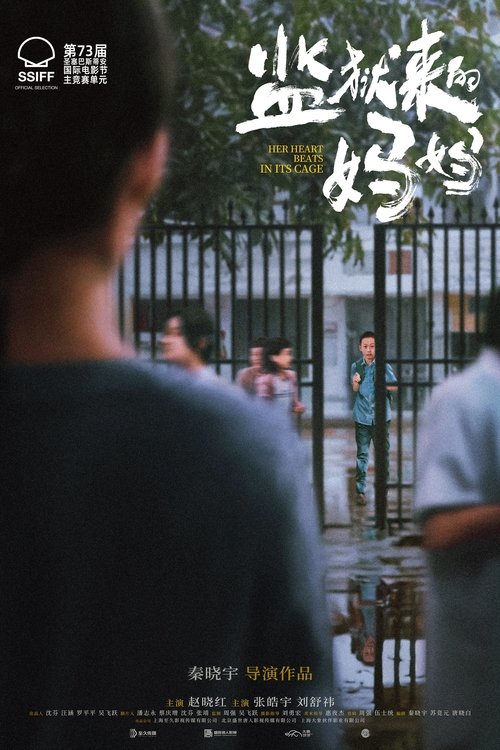
Hong spent ten years in prison for killing her husband. Thanks to her contribution to the prison art workshop, she receives an unexpected opportunity to reduce her sentence. Her son, Lele, was raised by his grandmother and was never prepared to live with his mother. After their reunion, Lele always treats her coldly. Faced with a lonely grandmother who longs for Lele to return to her and a society that treats ex-convicts poorly, can Hong escape her invisible prison and regain happiness?
2024

2008

2025

2003
2007

2019

2006

2020
No reviews yet. Be the first to share your thoughts on this movie!
Use the rating form above to leave a star rating and optional review.