Wasp
2003
No user ratings available yet
Diversity score: 5.5 out of 10
2001
Director
Andrea Arnold
Runtime
11 minutes
Average Rating
No ratings yetSynopsis
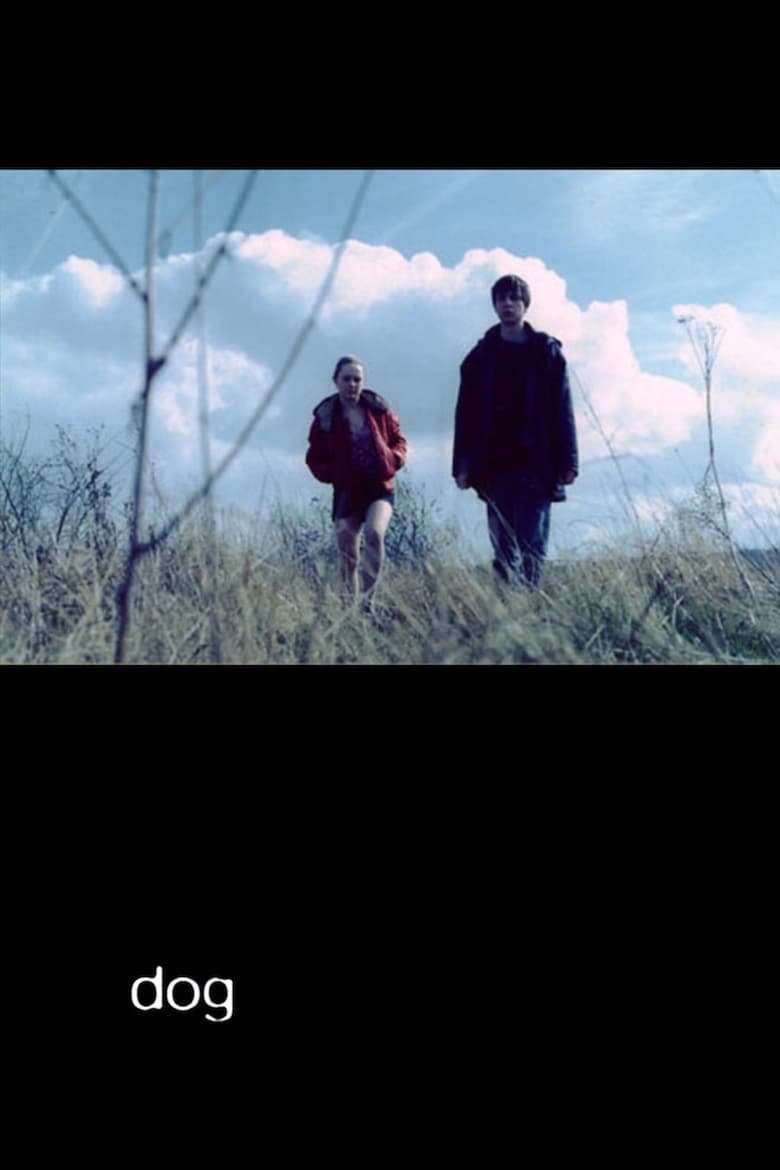
A teenage girl gets ready to go out to meet her boyfriend, despite her mother's loud verbal disapproval of her clothes. She goes out to a deserted area with him and he begins to touch her up and have sex with her, however a dog reveals the true nature of her boyfriend.
Overall Score
Fair
Category Breakdown
LGBTQ+ Representation
The film lacks explicit LGBTQ+ characters or narratives. Romantic dynamics remain strictly heteronormative, focusing on the predatory nature of adolescent relationships.
Gender Representation
The film explores gendered power through maternal authority and adolescent autonomy. It subverts traditional domestic roles by portraying familial structures as sites of conflict.
Racial & Ethnic Diversity
The cast is predominantly white and working-class. The film focuses on a specific socioeconomic demographic rather than exploring broad ethnic diversity.
Religious & Cultural Diversity
The narrative critiques Western institutions and capitalist structures. It deconstructs the idealized family unit, emphasizing dysfunction and systemic neglect over traditional models.
Disability Representation
There are no central characters with specific disabilities. The film instead captures the psychological distress and mental toll caused by poverty and environment.
Strengths
Areas for Improvement
AI Analysis
Andrea Arnold’s *Dog* is a gritty study of working-class life in Kent, prioritizing social realism over mainstream tropes. Its strength lies in its sophisticated critique of Western social institutions and the deconstruction of traditional domestic stability. However, the film is demographically homogeneous. The focus on a specific, localized socioeconomic group results in low scores for racial and LGBTQ+ representation. Ultimately, the film trades broad demographic variety for a deep, nuanced exploration of class and systemic neglect, challenging conventional moral narratives through its naturalistic lens.
2003

2024

1994
1996

2005

2018

1979

1998

2001

2004

2012

2024
No reviews yet. Be the first to share your thoughts on this movie!
Use the rating form above to leave a star rating and optional review.