Scooby-Doo! The Sword and the Scoob
2021
No user ratings available yet
Representation score: 1.7 out of 10
Representation Score
Limited
2009
Not RatedDirector
Christopher Berkeley
Runtime
74 minutes
Average Rating
No ratings yetNew Showbiz Analysis
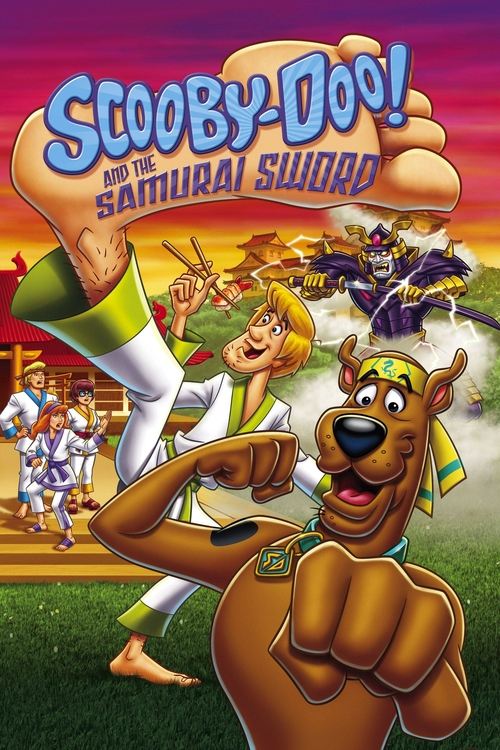
The film operates as a standard mystery genre piece that relies on established character archetypes. While it uses a culturally specific Japanese setting, the narrative structure remains tied to conventional Western storytelling clichés. Representation is mixed; female characters have significant intellectual and situational ability to act, but the main cast lacks racial diversity. The story uses its setting as a catalyst for a treasure hunt rather than a tool for cultural exploration. Ultimately, the film reinforces existing character dynamics rather than subverting them, prioritizing entertainment over progressive narrative disruption or characters who reflect more than one aspect of diversity.
Category Breakdown
The film does not include any LGBTQ+ characters or explore non-cisgender identities. The interpersonal relationships stay within the straight-centered framework of the Mystery Inc. team.
Velma serves as the intellectual leader of the group, often outperforming her male peers. Daphne has situational ability to act, ensuring the film avoids reinforcing rigid or submissive feminine roles.
The setting incorporates Japanese folklore and martial arts, but the main cast remains a homogeneous group of Western characters. The location serves primarily as a backdrop for adventure rather than a platform for cultural exploration.
The narrative adheres to traditional Western storytelling conventions and the 'unmasking' cliché. It prioritizes a conventional adventure format over any significant engagement with social or religious themes.
There are no prominent depictions of visible or invisible disabilities. Characters operate within standard physical and cognitive archetypes without using disability as a plot device.
Present on Screen
Limited or Absent
Official Synopsis
The Mystery Inc. gang takes a trip to Japan and finds themselves circling Asia and the Pacific in a treasure hunt, racing against the vengeful Black Samurai and his Ninja warriors to find the legendary Sword of Fate, an ancientblade fabled to possess extraordinary supernaturalpowers.
2021

2005
2004

2006
2010

2005

1999
2003
No reviews yet. Be the first to share your thoughts on this movie!
Use the rating form above to leave a star rating and optional review.