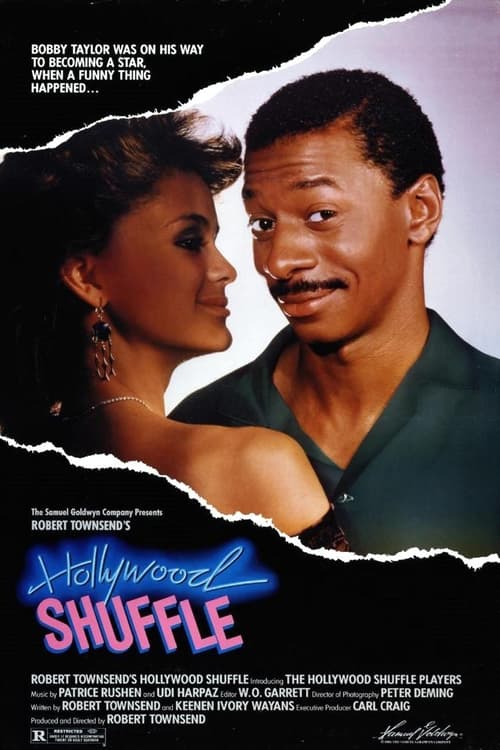
Hollywood Shuffle
1987
No user ratings available yet
Diversity score: 6.1 out of 10
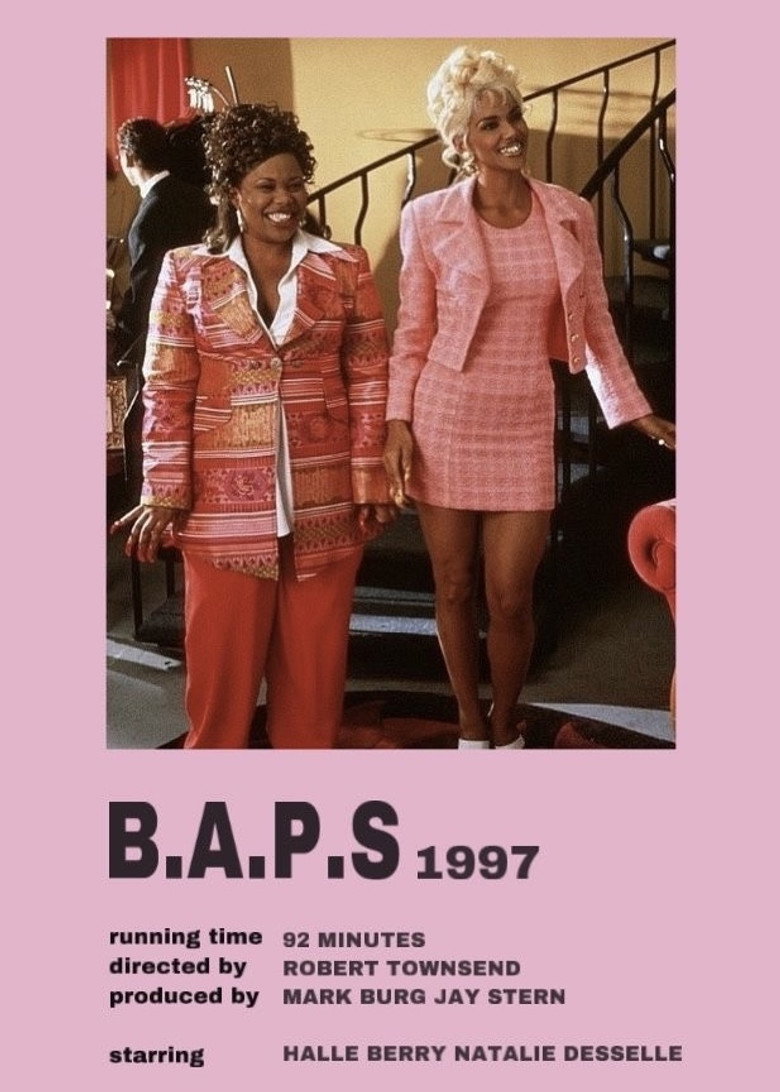
1997
PG-13Director
Robert Townsend
Runtime
90 minutes
Average Rating
No ratings yetSynopsis
Two wannabe Black American princesses aim to marry rich men, who will pay for their world's first combination hair salon and soul food restaurant.
Overall Score
Good
Category Breakdown
LGBTQ+ Representation
The story focuses entirely on heteronormative romance and wealth acquisition through traditional male-female pairings. There is no visible presence of queer characters or narratives.
Gender Representation
The film centers on female agency and economic self-determination. Protagonists use their experiences to drive entrepreneurship, shifting power away from traditional male-led domesticity.
Racial & Ethnic Diversity
The film features an overwhelmingly Black lead cast, centering the Black experience in a way that was rare for mainstream Hollywood. It explores race and class intersections in 1970s Los Angeles.
Religious & Cultural Diversity
The narrative critiques capitalist structures by framing unconventional economic behaviors as necessary tools for survival. It prioritizes the protagonists' subjective truths over traditional Western professional norms.
Disability Representation
There is no significant or visible depiction of physical or neurodivergent disabilities within the character descriptions or narrative.
Strengths
Areas for Improvement
AI Analysis
B.A.P.S. stands out for its intentional centering of Black female agency and its exploration of socioeconomic mobility. By focusing on characters navigating the sex industry to fund a business, the film subverts tropes of female victimization and traditional respectability. The film excels in racial and gendered representation, providing a platform for Black cultural aesthetics and economic survival. It challenges standard capitalist pathways, framing non-traditional work as a strategic means of empowerment. However, the film lacks diversity in other key areas. The narrative is strictly heteronormative and contains no visible representation of disability, limiting its intersectional scope.
1987
2003
2013
2023
2023
2026
2008
2020
2020
2004
2016
1999
No reviews yet. Be the first to share your thoughts on this movie!
Use the rating form above to leave a star rating and optional review.