Napo
2020
No user ratings available yet
Representation score: 5.1 out of 10
Representation Score
Good
2019
PGDirector
Louise Bagnall
Runtime
9 minutes
Average Rating
No ratings yetNew Showbiz Analysis
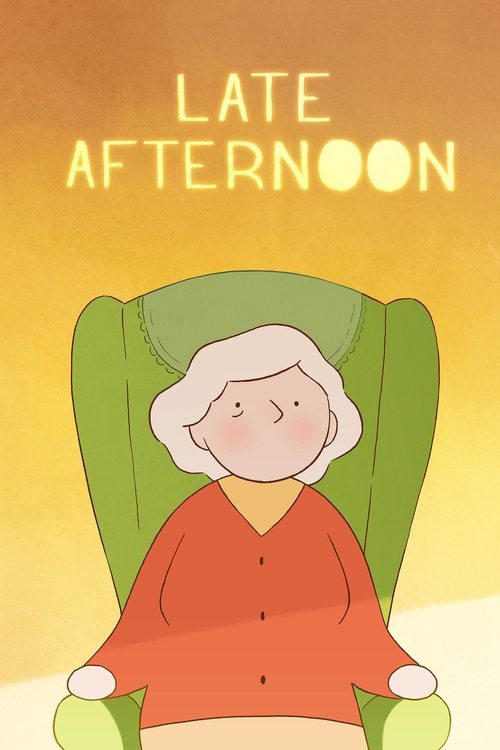
Late Afternoon is a meditative animated short that prioritizes the subjective experience of its protagonist, Emily. The film succeeds in centering women's ability to drive the story and exploring internal cognitive processes through a non-linear structure. However, its narrow focus limits its multi-layered breadth. The narrative remains a localized study that lacks overt representation of diverse racial, ethnic, or LGBTQ+ identities, resulting in a specialized rather than broad demographic profile. Ultimately, the work functions as a nuanced character study, challenging conventional storytelling through its emphasis on the internal life of a woman, even if it stops short of dedicated disability or multi-ethnic narratives.
Category Breakdown
The film centers on a solitary, introspective journey. Though it doesn't explicitly depict same-sex relationships or non-cisgender identities, the focus on memory allows for personal nuance.
The narrative emphasizes women's ability to drive the story and internal processes. By focusing on Emily's thoughts, the film challenges typical hierarchies that often sideline women.
Set in New Zealand, the film is a localized, character-driven study. It avoids homogenous Western archetypes but lacks a diverse, multi-ethnic cast to broaden its demographic range.
The film prioritizes personal truth and emotional landscapes over organized religion. It promotes psychological relativism rather than adhering to a single, objective moral code.
There are no explicit depictions of physical or sensory disabilities. However, the protagonist's struggle with fragmented memory can be seen as a metaphor for neurodivergent or psychological conditions.
Present on Screen
Limited or Absent
Official Synopsis
Emily finds herself disconnected from the world around her. She goes on a journey through her memories and relives different moments from her life. Emily must look to her past so that she may fully embrace the present.
2020
2018
2022
2021
2020
2024
2020

2022
No reviews yet. Be the first to share your thoughts on this movie!
Use the rating form above to leave a star rating and optional review.