
The Generation That Gave Up on Love
2019
No user ratings available yet
Representation score: 5.3 out of 10
Representation Score
Fair
1995
TV-14Director
Jose Javier Reyes
Runtime
119 minutes
Average Rating
No ratings yetNew Showbiz Analysis
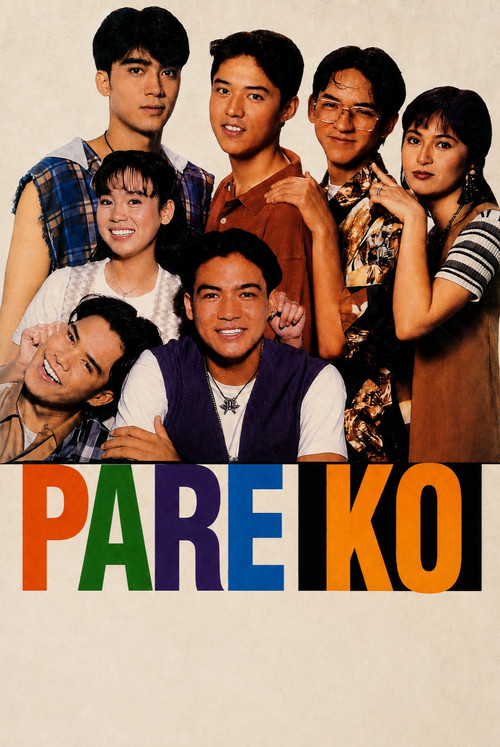
Pare Ko is a culturally specific film that excels in providing genuine ethnic representation. By featuring a Filipino cast and setting, it avoids the Western-centric lens common in global cinema, offering a true portrayal of Southeast Asian identity. However, the film adheres to the social and romantic norms of the mid-1990s. The narrative structure relies heavily on traditional dating clichés, focusing on conventional courtship and gender roles rather than exploring more complex intersections. Ultimately, the work serves as a standard romantic drama for its time. While it provides a cohesive ethnic identity, it does not challenge traditional gender or social norms.
Category Breakdown
The film centers on typical heterosexual relationships and the 'friend zone' concept. It does not include any non-traditional gender identities or stories that question conventional romance.
Characters follow traditional gender roles and romantic expectations. The story sticks to conventional dating norms without challenging gender hierarchies or showing alternative forms of masculinity.
The film highlights a specific cultural identity through a predominantly Filipino cast and urban setting. It avoids a Western-centric viewpoint by focusing on a Southeast Asian perspective.
The story presents a localized romantic comedy centered around middle-class urban youth. It adheres to typical representations of family and community without emphasizing secular or anti-institutional themes.
The characters are portrayed as typically able-bodied youth. There is no depiction of physical or neurodivergent disabilities in the narrative.
Present on Screen
Limited or Absent
Official Synopsis
A set of happy-go-lucky teenagers struggles to keep the group together as each of them faces various challenges on life, love, friendship, and family.
2019

1998

2014
2011

2016

2008

2019

2017
No reviews yet. Be the first to share your thoughts on this movie!
Use the rating form above to leave a star rating and optional review.