Sophie & Sheba
2010
No user ratings available yet
Representation score: 1.6 out of 10
Representation Score
Limited
2014
GDirector
Luke Dye, Curt Willis
Runtime
84 minutes
Average Rating
No ratings yetNew Showbiz Analysis
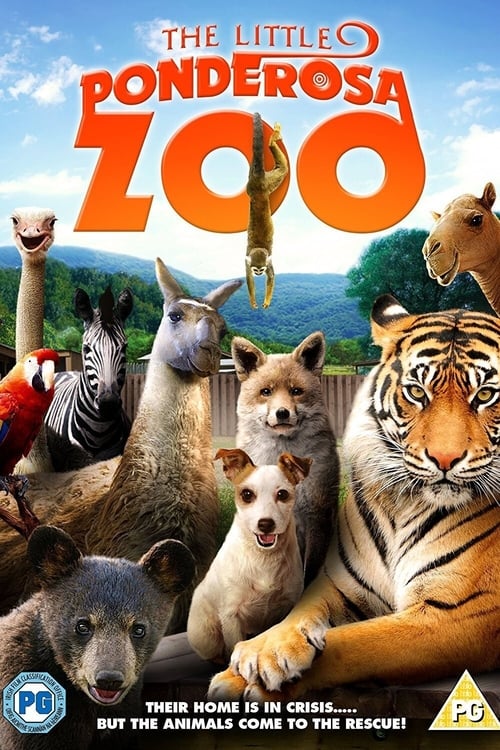
The film follows a traditional storytelling approach, using well-established character types to create a conflict between preserving the community and individual greed. Representation is primarily conventional, focusing on a nuclear family and a small-town setting. The narrative does not aim to disrupt social hierarchies or incorporate diverse identities. Ultimately, the work adheres to conservative storytelling clichés, emphasizing a classic battle against corruption.
Category Breakdown
The film centers around a traditional nuclear family consisting of Jack, Judy, and Charlie. There are no LGBTQ+ characters or stories involving queer identities.
Judy plays a key leadership role alongside Jack at the zoo. However, the roles of the characters generally follow traditional gender archetypes.
The story takes place in a small town where the racial or ethnic backgrounds of the main family are not specified. The narrative does not highlight a diverse cast of characters.
The story follows a typical morality tale, pitting a virtuous family against corrupt institutions. It upholds traditional community values without challenging them.
There is no information about characters with physical, sensory, or neurodivergent disabilities. Such themes are not central to the plot.
Present on Screen
Limited or Absent
Official Synopsis
The Little Ponderosa Zoo is preparing for their annual fundraiser festival that keeps the zoo afloat. The Freeman family, Jack, Judy, and their young daughter, Charlie opened the zoo years earlier after sharing their own home with the many animals they had rescued through the years With the help of Mr. Baker, their dependable zookeeper, the zoo has always been a huge hit with the small town. But, one day, the local bank owner discovers some dusty old documents in the basement of his bank that show that the zoo is sitting on a gold mine and, with the help of the town Mayor, and the Mayor s bumbling nephew, they immediately devise a devious plan to get the gold for themselves. The greedy trio see the annual festival as the perfect opportunity to put their dangerous plan into action and close the zoo forever and get their hands on the gold!
2010
2002
1998

1997

2018
2020
2019

1993
No reviews yet. Be the first to share your thoughts on this movie!
Use the rating form above to leave a star rating and optional review.