
Facing the Wind
2018
No user ratings available yet
Representation score: 6.6 out of 10
Representation Score
Fair
2020
Director
Jordi Boquet Claramunt
Runtime
20 minutes
Average Rating
No ratings yetNew Showbiz Analysis
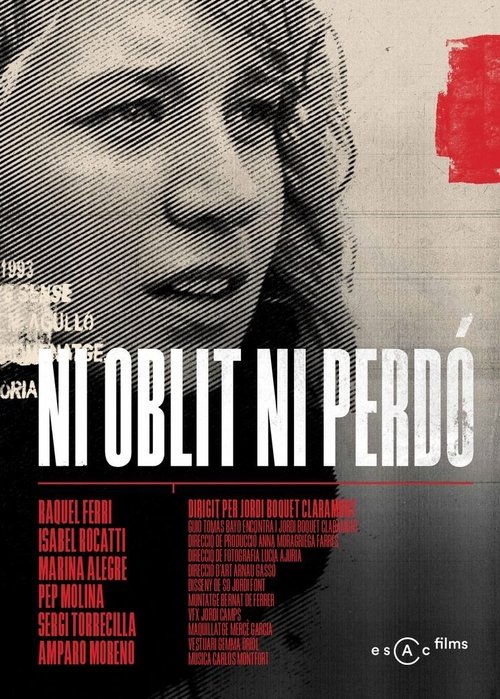
Ni oblit ni perdó is a character-driven drama that challenges the typical homecoming cliché. Instead of a restorative journey, Betlem's return to Valencia serves as a confrontation with suppressed truths and unresolved trauma. The film prioritizes the weight of memory and the tension between individual experience and communal history. It explores moral relativism and the difficulty of reconciling with the past. While the film does not explicitly promote multi-layered activism or diverse casting, it effectively deconstructs the facades of social stability through its focus on historical and personal legacies.
Category Breakdown
The film does not include any confirmed LGBTQ+ narratives or non-cisgender identities. It maintains a neutral stance for a contemporary drama without specific markers related to LGBTQ+ themes.
The story focuses on Betlem, a female protagonist navigating emotional landscapes and dealing with family trauma. This highlights a significant role for women in driving the narrative.
The setting in Valencia and the predominantly local cast suggest a relatively homogeneous Mediterranean social context. There is no indication of intentional racial diversity or varied casting.
The film critiques social stability by presenting the past as an unresolved conflict. It examines how historical and familial institutions can lead to deep-seated trauma.
There is no documented evidence of the portrayal of physical or neurodivergent disabilities in this work.
Present on Screen
Limited or Absent
Official Synopsis
Valencia, 2003. Betlem returns home to spend a few days with her family in the town that has seen her grow. But this town hides a sad character that, as much as she wants to avoid, always ends up returning to remind her that there are things that can never be forgotten. And they cannot be forgiven either.
2018
2015

1988
2021
2018

2023

2021
2021
No reviews yet. Be the first to share your thoughts on this movie!
Use the rating form above to leave a star rating and optional review.