End of Days, Inc.
2015
No user ratings available yet
Representation score: 5.5 out of 10
Representation Score
Good
2025
RDirector
Bong Joon Ho
Runtime
137 minutes
Average Rating
No ratings yetNew Showbiz Analysis
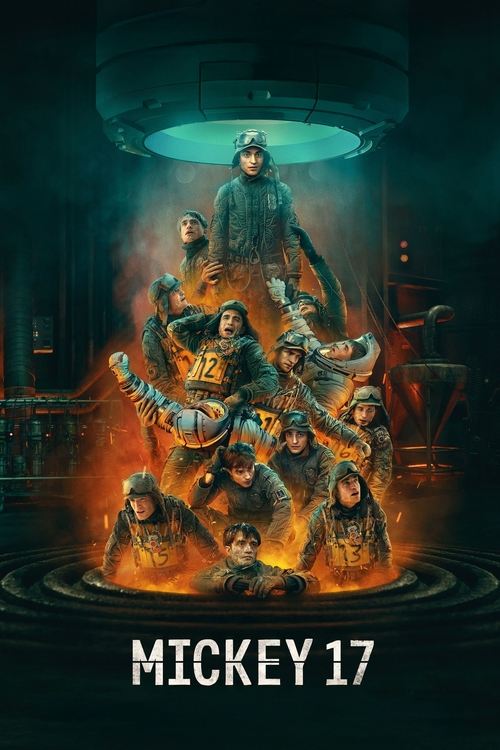
Bong Joon Ho creates a speculative colony where corporate exploitation replaces heroic exploration. A multinational cast and authoritative female roles disrupt traditional narratives, supporting contemporary inclusive practices. This diversity reinforces the film’s anti-capitalist themes, making representation integral to the narrative. However, the film sidesteps queer and disability frameworks, focusing on labor commodification. The heterosexual romance and cloning mechanics align with class critique, leaving underrepresented bodily experiences unexplored. Ultimately, the film leverages diverse casting to offer a sharp, economically driven perspective on speculative futures.
Category Breakdown
The film focuses on a traditional heterosexual romance between Mickey and Nasha, without delving into queer identities or non-traditional relationships. Cloning provides potential for non-conventional bodies, but the film sticks to conventional romantic structures.
Women play key roles in security and technology, challenging traditional space-opera narratives. Naomi Ackie and the multinational female cast demonstrate authority and personal ability to act, breaking away from male-dominated frontier stories.
A multinational cast reflects a global future, moving beyond typical Western casts. Steven Yeun and Naomi Ackie play central roles without falling into stereotypes, using diverse casting to explore labor issues.
Cloning serves as an allegory for corporate control and labor exploitation. The film highlights institutional loyalty and disposable workers, critiquing economic and territorial expansion.
The story focuses on speculative bodily vulnerabilities and death, without addressing chronic illnesses or neurodivergence. It maintains a neutral stance on physical or cognitive differences.
Present on Screen
Limited or Absent
Official Synopsis
Unlikely hero Mickey Barnes finds himself in the extraordinary circumstance of working for an employer who demands the ultimate commitment to the job… to die, for a living.
2015

2018
2018
1990
2012
1984

2008
2015
No reviews yet. Be the first to share your thoughts on this movie!
Use the rating form above to leave a star rating and optional review.