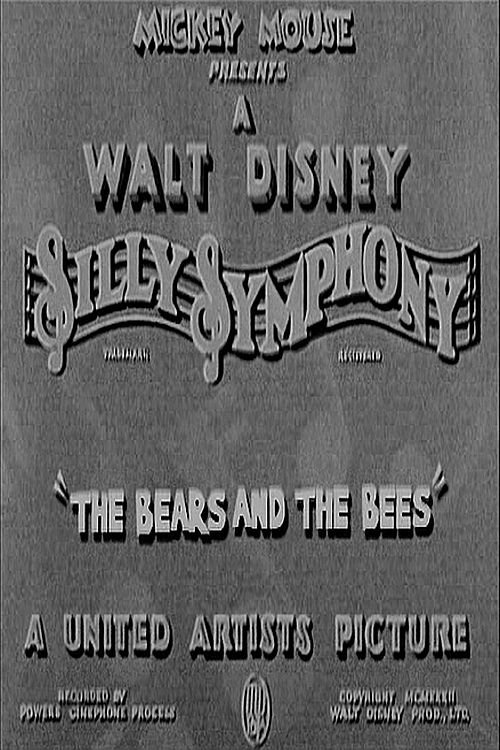
The Bears and Bees
1932
No user ratings available yet
Diversity score: 1.7 out of 10
1936
GDirector
Wilfred Jackson
Runtime
8 minutes
Average Rating
No ratings yetSynopsis
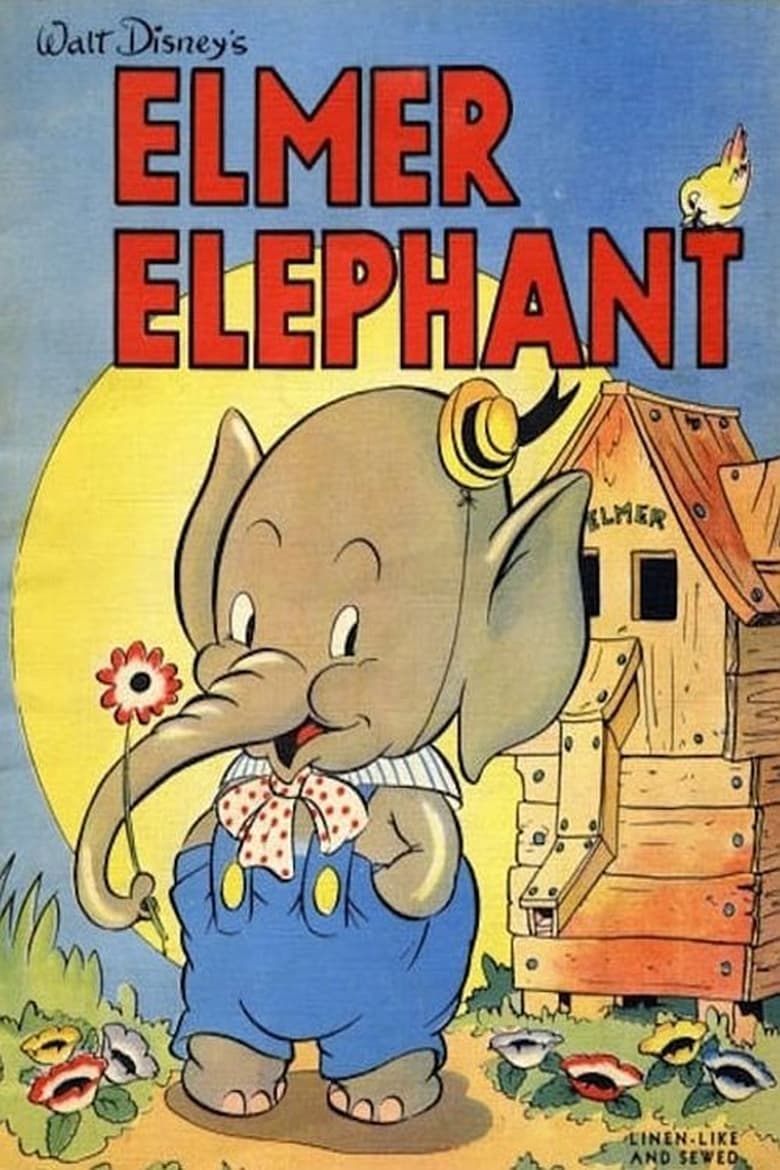
Little Elmer Elephant has a crush on Tillie Tiger and his affection is reciprocated. Trouble is, the pint-sized pachyderm is beset by bullies who ridicule his trunk and make his life miserable. Then a conflagration breaks out at Tillie's tree house.
Overall Score
Limited
Category Breakdown
LGBTQ+ Representation
The story follows a conventional romantic arc between Elmer and Tillie. It lacks any representation of non-cisnormative identities or narratives that challenge heteronormativity.
Gender Representation
The plot centers on a male protagonist's emotional journey. While Tillie Tiger is a key character, the film adheres to traditional gender hierarchies and male-driven storytelling.
Racial & Ethnic Diversity
The cast consists entirely of anthropomorphic animals. There is no evidence of racial or ethnic diversity or the use of species as metaphors for marginalized groups.
Religious & Cultural Diversity
The film utilizes a traditional moral framework centered on overcoming bullying. It lacks any secularist, anti-Western, or anti-capitalist perspectives.
Disability Representation
Elmer's trunk serves as a central point of physical difference and ridicule. While this introduces themes of physical difference, the narrative lacks nuanced agency for the character.
Strengths
Areas for Improvement
AI Analysis
Elmer Elephant is a product of the 1930s Disney animation era, prioritizing traditional storytelling and standard character archetypes. The narrative focuses on a simple romantic interest and a struggle against social bullies, reflecting the era's conventional social hierarchies. The film lacks intersectional complexity, offering little in the way of diverse identities or subversions of the status quo. While the protagonist's physical difference provides a focal point for the plot, it functions more as a target for mockery than a nuanced exploration of disability. Ultimately, the film serves as a period-typical morality tale. It relies on homogeneous social structures and lacks the intentional representation required for a modern progressive score.
No reviews yet. Be the first to share your thoughts on this movie!
Use the rating form above to leave a star rating and optional review.