
Trip
2022
No user ratings available yet
Representation score: 8.3 out of 10
Representation Score
Limited
2020
Director
Josh Nadler
Runtime
10 minutes
Average Rating
No ratings yetNew Showbiz Analysis
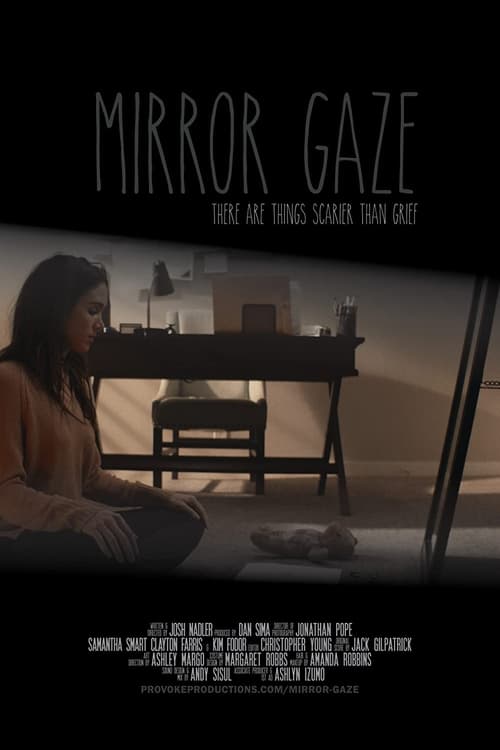
Mirror Gaze is a horror film centered on the psychological and supernatural experience of a grieving mother. The narrative emphasizes personal emotional stakes and the mechanics of loss over broader social critiques. While the film features a woman in a central role with emotional complexity, the lack of demographic data for the cast hinders a comprehensive assessment of racial or ethnic diversity. The story appears to follow conventional genre clichés rather than offering a multi-layered approach to identity. Ultimately, the film’s focus on personal tragedy leaves little room for representation of LGBTQ+ identities or disability-related themes.
Category Breakdown
The film centers on a maternal bond and explores the mechanics of grief. There is no explicit depiction of non-straight or non-cisgender identities, nor does it challenge the assumption that everyone is straight or cisgender.
A female character leads the story, navigating an emotional and supernatural landscape. However, it is unclear whether the film challenges traditional gender roles or relies on clichés about maternal suffering.
The document does not provide specific information about the racial or ethnic backgrounds of the main cast. Without verified demographic data, a meaningful score cannot be assigned.
The film deals with themes of grief and the afterlife but does not explicitly critique Western institutions, capitalism, or organized religion. It operates within traditional horror frameworks.
There is no indication of neurodivergent, physically disabled, or mentally ill characters being central to the narrative.
Present on Screen
Limited or Absent
Official Synopsis
A grieving mother tries to contact her recently deceased daughter. The result proves scarier than the grief.
2022

2016

2020

2019

2019
2009
2020
2023
No reviews yet. Be the first to share your thoughts on this movie!
Use the rating form above to leave a star rating and optional review.