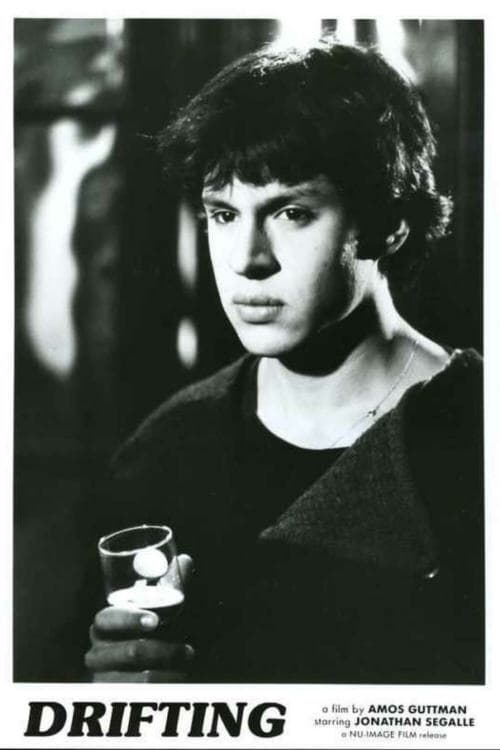
Drifting
1982
No user ratings available yet
Representation score: 6.2 out of 10

Representation Score
Good
1988
Director
Ayelet Menahemi
Runtime
45 minutes
Average Rating
No ratings yetNew Showbiz Analysis
Crows offers a sophisticated look at the overlapping aspects of identity by centering characters living on the fringes of society. The film's strength lies in its disruption of assumptions about straight relationships and male dominance through its focus on queer domesticity and female autonomy. While the film excels in portraying identity-driven community building, it lacks specific details regarding racial or ethnic diversity. The narrative focus remains primarily on class and sexual orientation within an urban Israeli context. Ultimately, the film serves as a critique of traditional institutions, replacing them with a transient, communal lifestyle that prioritizes the lived experiences of those outside the mainstream.
Category Breakdown
The film focuses on a queer commune, highlighting young men in the domestic narrative. This approach normalizes non-traditional living arrangements and goes beyond superficial cameos.
Maggie’s journey from a rural patriarchal household to urban Tel Aviv highlights her pursuit of independence. The film uses this migration to challenge traditional nuclear family hierarchies.
The narrative emphasizes socio-economic marginalization and class-based diversity among homeless teenagers. However, specific racial or ethnic compositions are not explicitly detailed.
By centering on displaced youth, the film critiques traditional institutions like the nuclear family. It frames fringe communal living as a valid alternative to settled societal structures.
There is no explicit evidence regarding the portrayal of physical or neurodivergent disabilities. The characters' vulnerability is framed through socio-economic homelessness rather than disability.
Present on Screen
Limited or Absent
Official Synopsis
The life of some homeless teenagers in Tel-Aviv, many of them homosexuals. Seventeen-year-old Maggie decides to leave her father and rural life behind and make her way to Tel Aviv. She ends up in a commune, living with Yuval, Ellie, and Daniel – three young queer men from the furthest fringes of Tel Aviv’s nightlife scene. The tensions between the three may be palpable but that does not stop the flatshare from being a home to all its residents – whether permanent or transient.
1982

1994

2016
2013

2005
2016

2014

2023
No reviews yet. Be the first to share your thoughts on this movie!
Use the rating form above to leave a star rating and optional review.