
The Open Road
2009
No user ratings available yet
Representation score: 4.4 out of 10
Representation Score
Minimal
1988
PG-13Director
Steven Kampmann, William Porter
Runtime
98 minutes
Average Rating
No ratings yetNew Showbiz Analysis
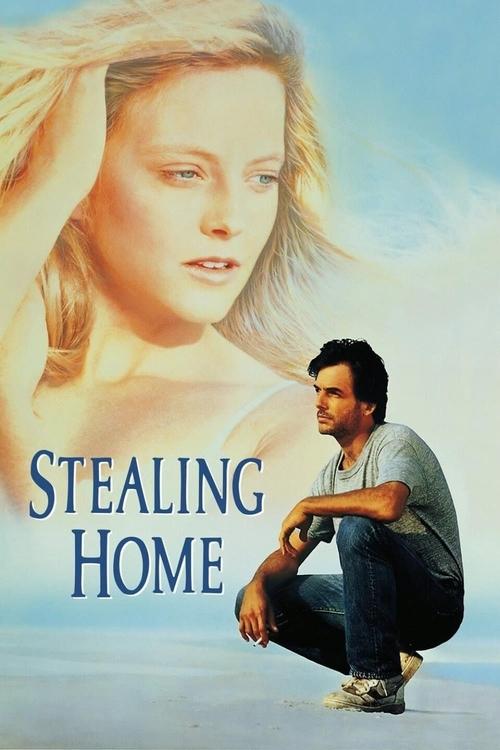
Stealing Home is a sentimental period drama that prioritizes nostalgia and emotional reconciliation over social disruption. The narrative heavily relies on established mid-century norms, focusing on a white, straight-centered cast within a traditional family framework. While the film offers some depth by exploring male emotional vulnerability and the complexities of divorce, it lacks broader diversity. Ultimately, the film serves as a nostalgic look at American life, offering little representation for underrepresented groups or diverse lived experiences.
Category Breakdown
The film does not include any visible LGBTQ+ characters or non-cisgender identities. Romantic relationships are portrayed within traditional heterosexual structures, centered around a male protagonist and his first love.
The story delves into male vulnerability through a father-son relationship during a divorce. While it moves beyond stoic male archetypes, it still adheres to traditional gender roles and domestic stability.
Set in the mid-20th century, the film features a predominantly white cast. The narrative does not leverage diverse ethnic backgrounds to challenge the historical status quo of the 1950s.
The narrative emphasizes the restoration of the family unit through traditional sentimentalism. It serves as a nostalgic look at American mid-century life rather than a critique of Western family structures.
There is no representation of physical, sensory, or neurodivergent disabilities. Character struggles are mainly emotional and psychological, arising from familial trauma rather than lived experiences of disability.
Present on Screen
Limited or Absent
Official Synopsis
Billy Wyatt, a former high school and minor-league baseball player, receives a telephone call from his mother revealing that his former child-sitter, and later in his teens, his first love, Katie Chandler, has died. Wyatt returns home to deal with this tragedy, reminiscing over his childhood growing up with his father, Katie, and best friend Alan Appleby.
2009

2003
1988

1988

1949

1984

2002
1999
No reviews yet. Be the first to share your thoughts on this movie!
Use the rating form above to leave a star rating and optional review.