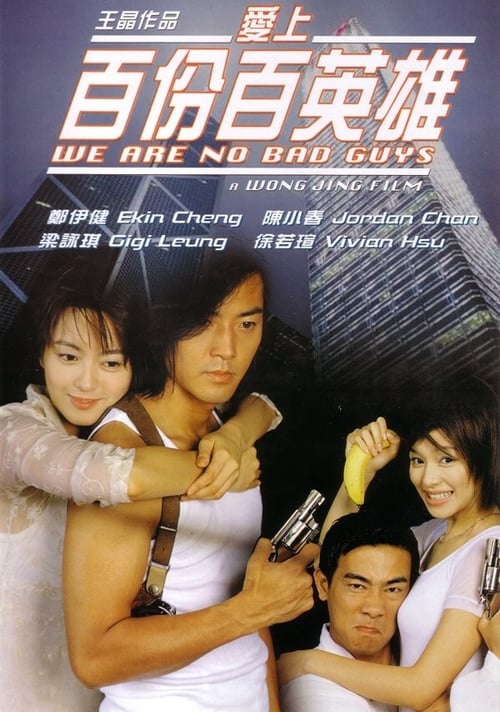
We're No Bad Guys
1997
No user ratings available yet
Representation score: 5.0 out of 10
Representation Score
Fair
2004
NRDirector
Donnie Yen, Barbara Wong Chun-Chun
Runtime
91 minutes
Average Rating
No ratings yetNew Showbiz Analysis
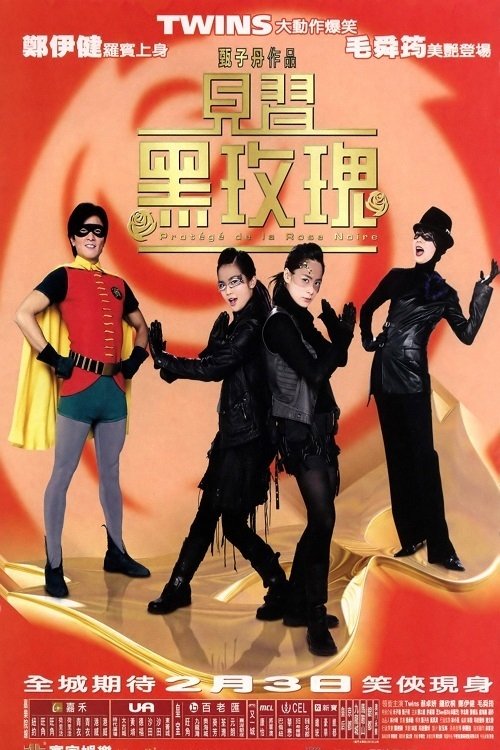
Protégé de la Rose Noire successfully shifts the focus of competence to its female protagonists, disrupting traditional gender hierarchies. By depicting the male lead as dim-witted, the film avoids the typical hyper-competent masculine protector cliché found in action films. The film also offers a non-Western perspective through its Hong Kong production roots, avoiding Western-centric hero clichés and emphasizing a more subjective, unconventional sense of morality. However, the film lacks depth in representing diverse identities. While it disrupts traditional romantic structures, it does not explicitly confirm LGBTQ+ identities, and the cast remains ethnically uniform.
Category Breakdown
The film includes a complex emotional triangle where a love-sick mentor creates jealousy among the female leads. However, the movie does not explicitly confirm any non-straight relationships.
The story centers around two female protagonists who train under a female martial arts expert. The male lead is portrayed as dim-witted, which challenges traditional masculine protector roles.
As a Hong Kong production, the film provides a non-Western, East Asian perspective. Although the cast is ethnically uniform, the film avoids Anglo-Saxon storytelling conventions.
The film presents a nuanced view of morality and social struggle. The antagonist’s motivations are driven by economic necessity rather than pure malice, highlighting a subjective understanding of heroism.
There is no significant evidence regarding the portrayal of physical or neurodivergent disabilities within the narrative.
Present on Screen
Limited or Absent
Official Synopsis
Gillian and Charlene, as usual, play a couple of mis-matched partners who come under the tutelage of the slightly nutty and love-sick Black Rose, a former kung fu-fighting super-hero who grooms them for a life of fighting crime. Ekin Cheng plays a dim-witted cab driver who wears a Robin costume and becomes Charlene's love interest. There is a bit of "comedy" as Rose confuses Ekin with her former lover and Gillian become jealous. A lot of time is wasted with this Three's Company-style shtick until eventually, some shred of a conflict comes forward, as the girls must battle a former protege of Rose who has taken to kidnapping to pay the bills.
1997
1994
1985
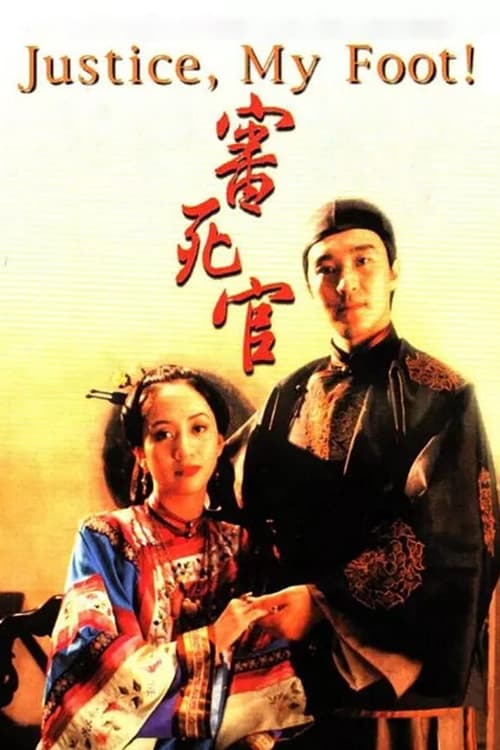
1992
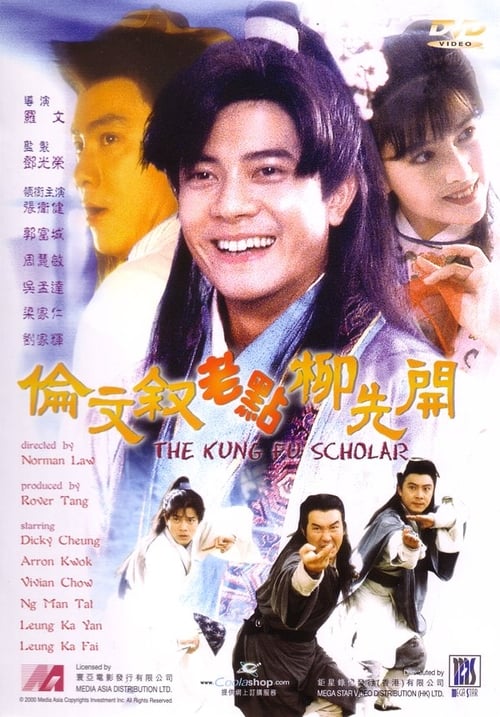
1994
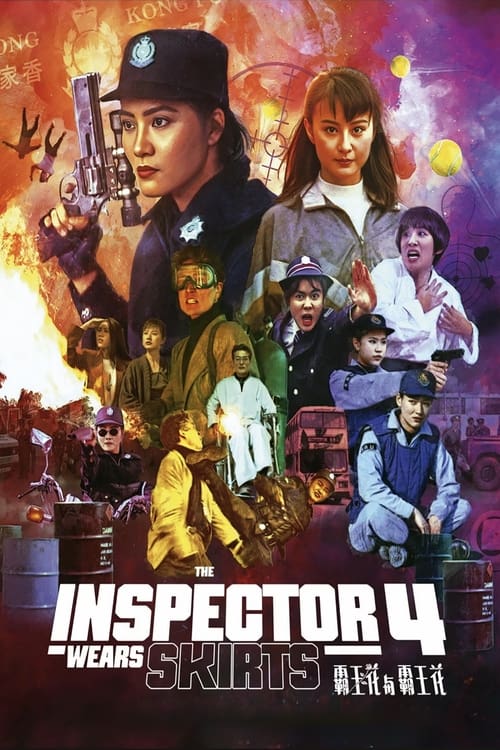
1992
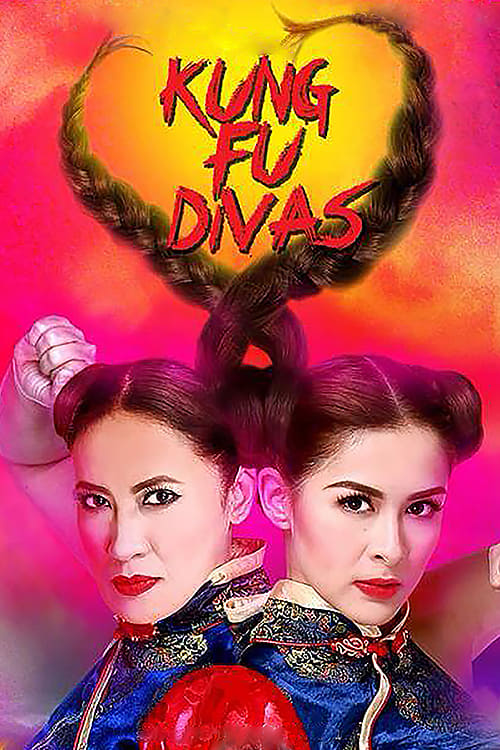
2013

1990
No reviews yet. Be the first to share your thoughts on this movie!
Use the rating form above to leave a star rating and optional review.